
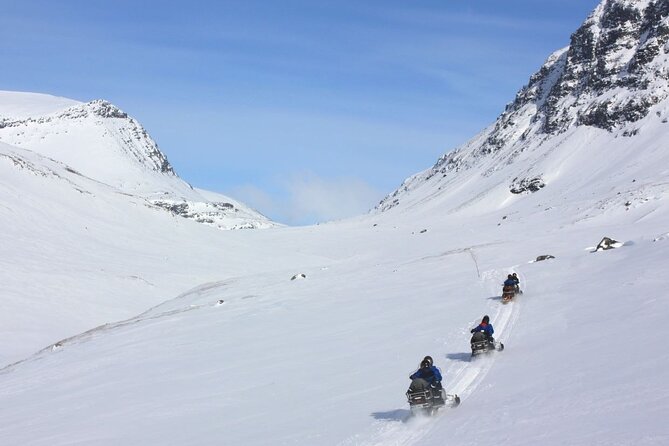
Reviewed · SNOWMOBILING IN THE LYNGEN ALPS
Snowmobile Evening Adventure outside Tromsø
Snowmobiles at dusk feel like time travel. This guided evening ride takes you from downtown Tromsø out past the Arctic Circle to Camp Tamok, with winter-ready clothing and a real chance to see the Northern Lights overhead.
I especially liked two things: you get proper instruction and driver swaps, so you’re not stuck gripping the handlebars the whole time, and the warm camp setup afterward feels like the perfect reset after hours outside. One thing to consider up front is that snowmobile time can run a bit short on some evenings if the day runs behind schedule, so plan to enjoy the whole experience—not just the minutes on the machines.
In This Review
- Key Things I’d Put on Your Must-Know List
- Snowmobile Evening Adventure in Tromsø: How the Timing Feels
- Price and Value: What $347.83 Actually Buys
- Where You Meet and What to Do First
- The Ride to Camp Tamok: 75 Minutes That Set the Mood
- Camp Tamok Facilities: Warm, Functional, and Not an Afterthought
- Training First: Learning the Snowmobile Before You Go Far
- Driving vs Riding: Why Turns Make the Ride Better
- Trail Pace and Speed: Not a Race, Built for Safety
- Northern Lights Viewing: Your Best Shot Isn’t Random
- Food and Warmth: What You’ll Eat After the Ride
- Small Group Feel: How the Max-20 Limit Helps
- Who Should Book This Snowmobile Evening Adventure
- Driving Rules and Age Requirements: Know This Before You Go
- Practical Tips to Make the Ride Feel Easy
- Brief FAQ Before You Decide
- How long is the snowmobile evening adventure?
- What time does it start?
- Where do I meet the group?
- Is transportation included?
- What gear is provided?
- Can I drive if I’m under 18?
- Is Northern Lights guaranteed?
- What if weather is poor?
- Final Call: Should You Book This Tromsø Snowmobile Evening?
Key Things I’d Put on Your Must-Know List
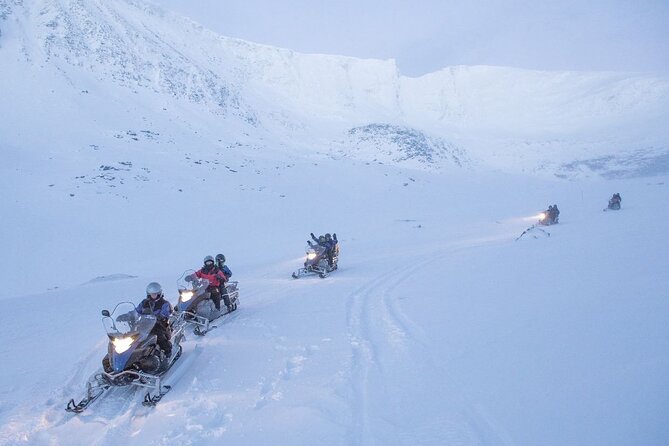
- You drive in turns: rotate between driving and riding so you can actually enjoy the view.
- There’s a practice phase first: you get familiar with the snowmobile before heading out.
- Camp Tamok is the comfort base: warm rooms, toilets, and hot drinks/food await you.
- Aurora is built into the plan: there can be a secluded stop for Northern Lights viewing.
- Small-Group feel: the tour caps at 20 people, often split into smaller groups for guidance.
- Speed is controlled on purpose: this is a guided safari, not a race.
Snowmobile Evening Adventure in Tromsø: How the Timing Feels
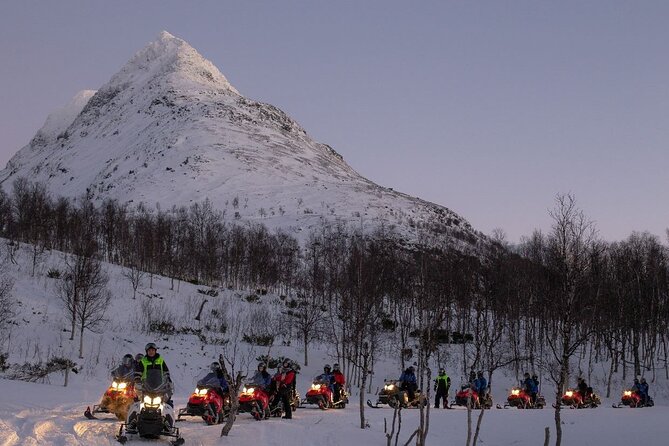
This tour is an evening-focused Arctic experience, starting at 5:00 pm. You’ll spend the day’s last light heading into winter dark, riding when visibility is reduced enough to make the whole thing feel dramatic, but still structured and safe. The timing matters because it’s the window when you’re most likely to catch the Northern Lights—if the sky cooperates.
The full outing runs about 7 hours, and it includes transportation from the meeting point back to the same place. That’s a big practical win in Tromsø, where it can be a hassle to coordinate getting out to rural areas on your own. You’re paying for a guided evening rhythm: ride, warm up, eat, and (maybe) watch aurora.
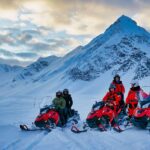
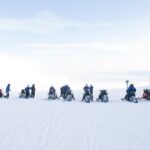
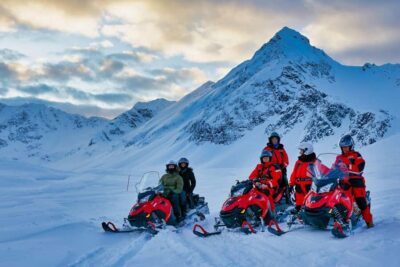
Open the throttle again across the Lyngen Alps
Price and Value: What $347.83 Actually Buys
At $347.83 per person, this isn’t a “quick activity.” You’re paying for several real costs bundled together: a guided snowmobile experience, transfer between downtown Tromsø and Camp Tamok (about 75 minutes each way), safety gear and winter clothing, plus hot drinks and a meal.
Here’s how it adds up in value terms:
- You don’t have to buy or rent winter layers for this specific outing. The tour provides warm clothes and gear so you can focus on staying comfortable.
- Guides reduce stress. You’re riding in winter conditions and darkness, following a route and being watched—not wandering around on your own.
- Warm food is included. In cold weather, a hot meal can be the difference between a great evening and just “surviving” it.
- Aurora viewing is part of the night plan. You’re not guaranteed Northern Lights, but the experience is designed to give you a decent shot.
Possible downside: if your schedule is tight, this tour is long enough that you should treat it as the main event on your last day—or whichever day you’re most available for a full evening.
Where You Meet and What to Do First
You meet at Samuel Arnesens gate 5, 9008 Tromsø, Norway. The start time is 5:00 pm, and the tour ends back at the same meeting point. Importantly, the tour doesn’t include hotel pick-up and drop-off, so make sure you can comfortably get to the meeting location on your own.
When you arrive, you’ll be checked in and outfitted. The tour includes helmet gear and winter clothing items like warm mittens, plus warm shoes. This matters because the cold in Tromsø can feel sharp fast once you’re outside for a few hours. The more prepared you are, the more you’ll enjoy the ride instead of thinking about your hands or feet.
The meeting timing also helps you shift into “night mode.” You’re not racing to reach the camp as a last-second scramble—you’re getting there while there’s still enough light to transition from city evening to Arctic dark.
The Ride to Camp Tamok: 75 Minutes That Set the Mood
Camp Tamok is your base in the Arctic winter. The drive from Tromsø is about 75 minutes, and it’s not just transport—it’s part of how the experience builds.
During that transfer, you get a slow shift from town conditions to snow-country quiet. You’ll see the scenery turn more remote, and you’ll arrive at camp ready for the cold because you’ve had time to get dressed and settle in.
It’s also a nice buffer for the group. With a maximum of 20 people, the tour can still feel social without being chaotic. In practice, smaller sub-groups tend to form for briefing and moving through gear changes efficiently.
Camp Tamok Facilities: Warm, Functional, and Not an Afterthought
Once you’re at camp, you’re not dropped into some basic shelter and left to freeze. The facility is set up for comfort after time outdoors: there are changing areas and toilets, plus warm spaces for food and drink.
That may sound minor, but it’s a huge part of why this tour earns such strong marks. When snowshoeing or snowmobiling is the highlight, the cold can be the hidden second challenge. A camp with proper warm areas lets you recover without rushing, which means you’re still energized for Northern Lights viewing later.
The camp setting also feels like the point where your evening changes gear. You’ll go from motion (snowmobile riding) to warmth (hot drinks, soup, bread, and the chance to talk with other people about the ride while you warm back up).
More of Tromso after the light goes
Training First: Learning the Snowmobile Before You Go Far
One of the best parts of the evening is that the tour doesn’t throw you into the wilderness immediately. Before you head out onto the trail, you start in a practice or training area.
You get time to:
- get comfortable with steering and handling
- learn the basics of moving in winter conditions
- do driver swaps so you’re not locked into one role for the entire outing
This is smart. Snowmobiles in the dark feel faster than they do in daylight because the snow and headlight beams create a “tunnel” effect. With a training phase, you’re not white-knuckling through the first segment.
Then you follow the guide along the track and into the countryside. You’re not doing this solo; guides keep an eye on the group, and you stay on the route designed for the tour. It’s a guided safari model—controlled, scenic, and built around staying together.
Driving vs Riding: Why Turns Make the Ride Better
Snowmobiling tours can go wrong when everyone is stuck driving the whole time. Here, you typically swap roles, which means you get breaks where you can look up and actually enjoy the night sky instead of focusing entirely on throttle control.
This matters especially for aurora chances. When you’re riding, you’re watching the path and speed. When you’re a passenger, you can look outward and enjoy the darkness, the snow, and the headlight-lit scenery.
It also gives you more time for photos—especially when the pace includes planned stops. One common rhythm is a break halfway along the route for a rest and photo opportunity, which is a great moment to step out of the headlight glow and look around.
Trail Pace and Speed: Not a Race, Built for Safety
This is a guided experience, and that shows in the pace. Snowmobiling happens at a controlled speed, mainly because everyone is riding in the same system and guides are managing spacing and safe conditions.
That’s good for first-timers and for comfort, but it’s also why a few people felt the riding time or speed didn’t match expectations. In one example, the actual snowmobile speed was around the high teens to low twenties km/h rather than faster speeds some people might be used to from other regions.
There’s a second factor that can affect your time on the machine: the schedule. On some evenings, if the day runs behind, you can get less riding time than expected. The good news is that the total experience still tends to include the key components—training, a trail run, warm camp, and food.
Northern Lights Viewing: Your Best Shot Isn’t Random
This tour aims for the Northern Lights, but it’s honest about how it works: aurora depends on weather and sky conditions. The plan is still structured to improve your odds.
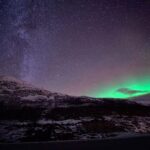
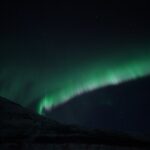
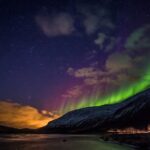
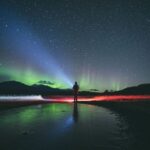
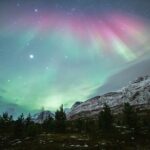
In the best-case scenario, the evening includes a secluded stop for aurora viewing. Some evenings also include a spot where you can watch the lights over a frozen lake. Even if the lights don’t explode into a bright show, being in a dark, open area with time to look is the difference between seeing nothing and getting a few memorable moments on camera.
Practical tip: treat your phone camera like a tool for learning, not a guarantee. Your best “system” is time outside, dark adaptation, and steady looking. When you’re rotated between driving and riding, you’re more likely to have moments where you can actually watch.
Food and Warmth: What You’ll Eat After the Ride
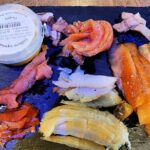
After snowmobiling, you warm up at camp with hot drinks and a meal. The menu you might encounter includes hearty soup options such as reindeer soup, plus bread and hot blackcurrant juice in some evenings.
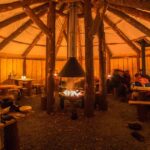
Many evenings end with a warm, filling dish in a cozy camp space—often served in a wooden dining area or hut. One standout mentioned is lamb stew at the finish, which makes the meal feel like part of the journey rather than just “snack time.”
This matters because it closes the loop of the experience. You’re cold, you ride, you’re back outside in winter air, and then food brings you back to human warmth. It’s not just included—it’s timed well.
Small Group Feel: How the Max-20 Limit Helps
The tour caps at 20 people. That size is big enough for a lively evening but small enough that guidance is practical. In operation, you may be split into smaller groups (like around 10 people each) for briefing and gear handling.
That structure helps you get:
- a clearer safety briefing before riding
- faster movement through suit-up and equipment checks
- better attention from the guide when swapping drivers
If you like the idea of a group tour but dislike the sensation of being one face in a crowd, this size is a good match.
Who Should Book This Snowmobile Evening Adventure
This is a great fit if you:
- want a guided first-time snowmobile experience
- like the idea of driver swaps so you can enjoy scenery, not just operate a machine
- want a warm meal after time outdoors
- are in Tromsø for a short stay and don’t want to manage winter logistics
You might think twice if you:
- only care about maximum snowmobile time and speed
- hate the idea of schedule variability (since the ride time can run short if things move behind)
- have very limited mobility needs, since the tour expects a moderate physical fitness level for outdoor time and movement
For families, it can work well because it’s built around safety briefings, controlled riding, and warmth afterward. Just note the driving rules below.
Driving Rules and Age Requirements: Know This Before You Go
To drive a snowmobile, you must be at least 18 years old and hold a valid driver’s license. Children under 7 are not allowed on this activity, and each child must be accompanied by an adult.
If you’re traveling as a mixed group (adults plus teens), make sure you understand who can drive. For people who can’t drive, you’ll still be part of the snowmobile experience as a passenger, and the swap system helps the night feel shared rather than divided into “drivers” and “watchers.”
Practical Tips to Make the Ride Feel Easy
A snowmobile evening can be comfortable if you prepare a few things the smart way:
- Wear warm layers under your provided suit if you tend to get cold. The gear helps a lot, but personal warmth habits matter.
- Plan for mittens and gloves management. The tour provides mittens, but if you know you struggle with dexterity, bring a simple strategy for handling your camera.
- Arrive on time to the meeting point. The operation runs on a tight schedule; being late can mean missing the bus departure.
- Bring patience for the aurora wait. Even with the best plan, sky conditions decide what you see.
- Expect a guided pace. This is meant to be safe and scenic, not a speed contest.
Brief FAQ Before You Decide
How long is the snowmobile evening adventure?
It runs about 7 hours.
What time does it start?
The start time is 5:00 pm.
Where do I meet the group?
You meet at Samuel Arnesens gate 5, 9008 Tromsø, Norway.
Is transportation included?
Yes. Transfer from Tromsø and back to Tromsø is included, but hotel pick-up/drop-off is not.
What gear is provided?
Warm clothes, shoes, mittens, and a helmet are provided.
Can I drive if I’m under 18?
No. Drivers must be 18 or older and have a valid driver’s license.
Is Northern Lights guaranteed?
No. The experience requires good weather, so aurora viewing depends on conditions.
What if weather is poor?
If canceled due to poor weather, you’ll be offered a different date or a full refund.
Final Call: Should You Book This Tromsø Snowmobile Evening?
If you want the classic Tromsø combo—snowmobile riding, a proper warm camp meal, and a Northern Lights-focused stop—this is a strong pick. I’d book it when you want a guided, low-stress way to enjoy winter darkness, with training that helps you feel confident quickly.
I’d hold off only if your personal priority is maximum time on the machine or high speed, because the evening is built around safety, controlled riding, and schedule flow. For most people, though, the balance lands well: you get to ride, you get warmth afterward, and when the sky cooperates, you get a night you’ll remember long after you’re back in Tromsø.
Tromso After Dark
More Tour Reviews in Tromso

More Snowmobiling in the Lyngen Alps
Just In: The Newest Tromso Reviews

Snowmobiling in the Lyngen Alps, compared.
 ★ 4.8Scenic Arctic snowmobile safari in the Lyngen AlpsFrom $335377 reviews
 ★ 4.8From Tromsø: Lyngen Alps Guided Snowmobile TourFrom $284239 reviews
 ★ 4.5Snowmobile Adventure to 3-Country BorderFrom $356198 reviews
 ★ 4.5From Tromso: Arctic Wilderness Snowmobile Daytime TourFrom $271174 reviews
 ★ 4.7Snowmobile Safari with Aurora Crystal Lavvo StayFrom $52860 reviews
 ★ 4.0Tromsø Snowmobiling, Ice Domes Snow Park, and Reindeer VisitFrom $41849 reviews
 ★ 4.5Adventure Snowmobile SafariFrom $26721 reviews
 ★ 4.0Guided Lyngen Alps Snowmobile Tour From TromsoFrom $30813 reviews
Browse the lists this tour appears in