
Reviewed · NORTHERN LIGHTS CHASES FROM TROMSø
Tromsø: Aurora Hunt with Citizen Science
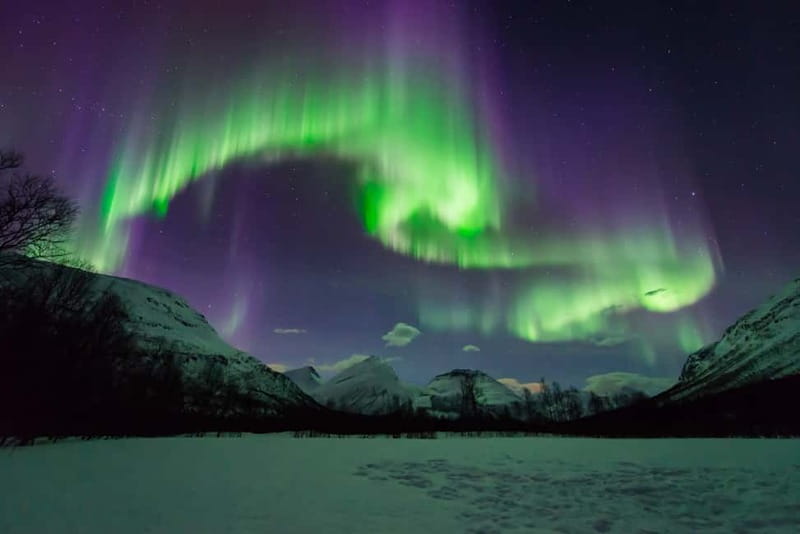
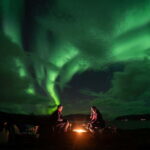
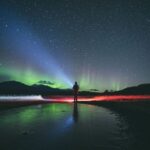
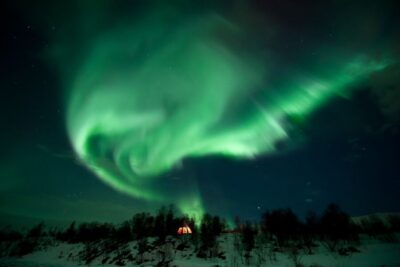
There’s a reason this aurora hunt feels more like a mission than a bus ride. You head out from Tromsø, chase clear skies using current conditions, and spend the night in thermal gear with campfire warmth, photography coaching, and citizen-science data collection.
I especially like the off-the-map approach—your route can shift across microclimates, sometimes as far as the Finnish border, to beat light pollution. I also like the people factor: guides such as Anna, Tomas, Lucas, and Javi are consistently praised for staying upbeat, explaining what’s happening in the sky, and helping you make photos you can actually use later.
One thing to keep your expectations practical: there’s no guarantee you’ll see the aurora. If the cloud cover wins, you’ll still have a well-run winter night outdoors, but you should book it knowing the lights are weather-dependent.
In This Review
- Key things to know before you go
- The big idea: aurora hunting with real field-method energy
- Getting warm enough to actually wait (thermal gear is the point)
- The night starts at Scandic Ishavshotel and moves into the dark
- Stop-by-stop: what each phase feels like
- The first campsite window: guided introduction and winter setup (about 2.5 hours)
- The viewpoint photo stop: time to experiment with the sky (about 2 hours)
- Dinner by the fire: homemade vegan soup and hot chocolate (about 1 hour)
- The final campsite and pass-by time: last chances to catch the show (about 2.5 hours)
- The route strategy: microclimates and the chase beyond Tromsø
- Citizen science: what you’re contributing in the Arctic
- Photography help that goes beyond hand-waving
- The vibe: campfire calm, guide storytelling, and team safety
- Price and value: why $250 can be fair in this specific context
- Who should book this aurora hunt
- Quick practical tips to improve your odds
- Should you book this tour in Tromsø?
- FAQ
- How long is the Aurora Hunt with Citizen Science?
- Where do we meet, and where does the tour end?
- What warm gear is included?
- Is the northern lights viewing guaranteed?
- What food and drinks are included?
- Are there toilet options during the tour?
- Is this tour suitable for kids or people with mobility issues?
- What should I bring for the best night?
Key things to know before you go
- Small group (up to 15): easier movement at stops, more one-on-one time for photo help
- Thermal suits and boots included: you’re not just dressed, you’re properly insulated
- Forecast-driven routing: you may drive around Tromsø and beyond to find gaps in the weather
- Campfire meal rhythm: homemade vegan soup, hot chocolate, and time to sit out and wait
- Northern lights photography support: tripods, head torches, and guide help with settings and framing
- Citizen science in the Arctic: you follow a scientific method to collect data when conditions allow
The big idea: aurora hunting with real field-method energy
If you’re comparing northern lights tours in Tromsø, this one has a specific personality. It’s built around finding the best viewing spot away from the city, but it also leans into learning—about the aurora, about the local region, and about how people can contribute to research. That matters because it changes the feel from watching to participating.
The “citizen science” part isn’t just marketing language. You’re invited to follow a scientific method to collect valuable data during the night, and when conditions are suitable, that data gets uploaded to partners’ databases for environmental studies and a responsible tourism project. In plain terms: you’re not only chasing aurora photos—you’re helping build better knowledge about Arctic conditions and how humans can travel with less harm.
More nights out chasing the aurora from Tromso
Getting warm enough to actually wait (thermal gear is the point)
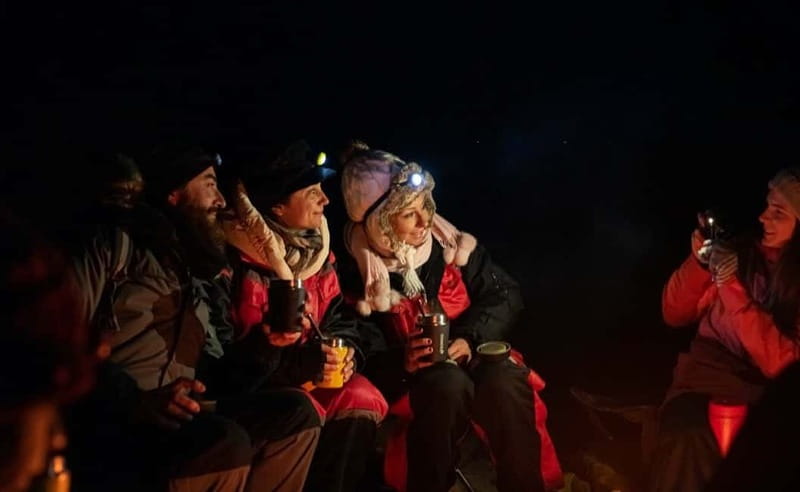
A lot of aurora experiences fail for one boring reason: people get cold while waiting. Here, warmth is handled directly. You get thermal suits, winter boots, hats, mittens, and a head torch, plus you’ll be moving through short stretches of winter walking at the stops.
That gear does two jobs for you. First, it protects your fingers and toes, so you can keep adjusting a camera without numbness. Second, it lets you stay outside long enough for the aurora to show up when it decides to. The tour’s structure gives you waiting time in cold conditions, so being properly dressed isn’t a nice-to-have.
If you’re the type who plans your whole trip around “I’ll just bring a jacket,” this tour will gently correct you. Plan for layers under the thermal suit, and don’t skip the basics: warm base layer, hat, gloves, scarf/headscarf, and wool socks. The tour also makes you think about the small stuff—like charging your camera battery and bringing an extra one if you can.
The night starts at Scandic Ishavshotel and moves into the dark
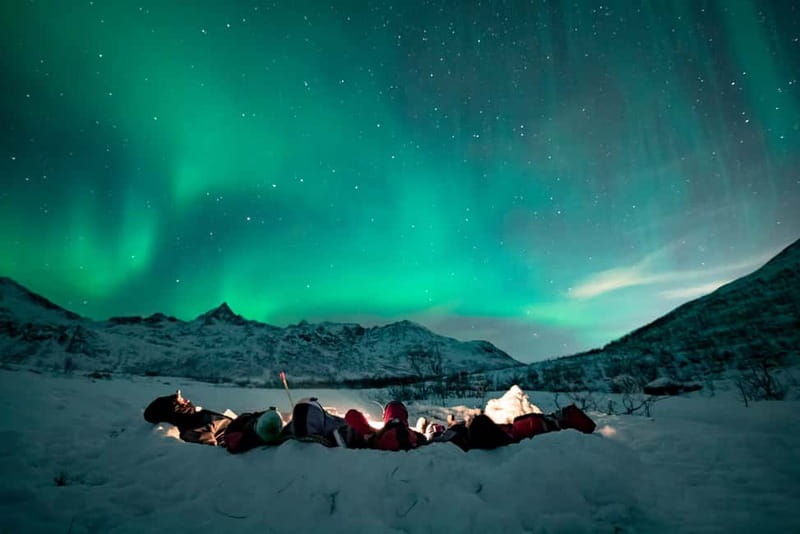
Your group meets outside Scandic Ishavshotel on Fredrik Langes Gate 2 in Tromsø. From there, the focus becomes distance from light pollution and finding the right microclimate. You don’t just drive once and hope—you drive and adjust as the forecast evolves.
The small-group setup helps here. With a maximum of 15 participants, you’re less likely to feel like cattle at every stop. You can also shift position quickly when the guide finds a clear patch or a better angle for photos.
Two practical notes for your planning:
- Hotel pickup isn’t included, though there are city-center drop-offs. You’ll want to be at the meeting point on time.
- Small amounts of walking are part of the night, so winter shoes that grip on ice matter.
Stop-by-stop: what each phase feels like
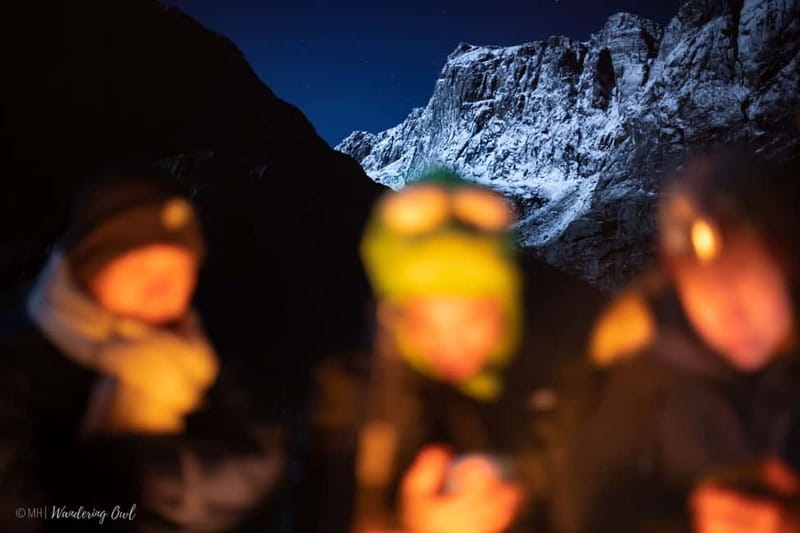
This tour isn’t one long stretch of standing in the dark. It’s paced in phases so you get learning, viewing, eating, and photography without your whole night collapsing into exhaustion.
The first campsite window: guided introduction and winter setup (about 2.5 hours)
At the campsite, you get a guided introduction and a real sense of what you’re looking for. This is where the guides tend to set expectations: where to watch, how the aurora can look different night to night, and how to approach night photography without wasting time.
Then you get into the practical winter routine—changing into thermal suits and booting up with the head torches. Even if you already know how to use a camera, this is still valuable, because the guides are helping you think like a night photographer: what to prioritize, how to frame the scene, and how to keep your gear working in cold.
Possible drawback: you’re outdoors for a good chunk of time. If you’re very sensitive to cold or have trouble standing in winter gear, you’ll want to be extra serious about layering.
The viewpoint photo stop: time to experiment with the sky (about 2 hours)
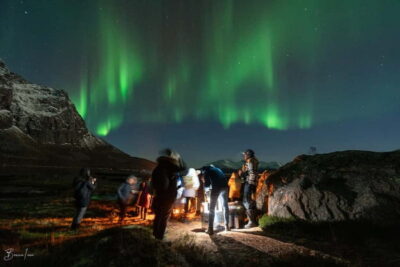
Next comes a dedicated photo stop. This is where the tour becomes more hands-on. You’re not only there to look—you’re there to try. With tripods and head torches provided, you can set up your shot while the guide shares tips on getting the aurora captured.
In aurora photography, small changes can make a big difference. The guide’s role here is to help you spend your time where it counts: getting focus and composition right, then adjusting once you see what the lights are doing.
If you’re traveling alone or don’t want to babysit a camera, this part is a plus. Guides take photos to share with you after the trip, which means you’re not stuck with only your own attempts.
Dinner by the fire: homemade vegan soup and hot chocolate (about 1 hour)
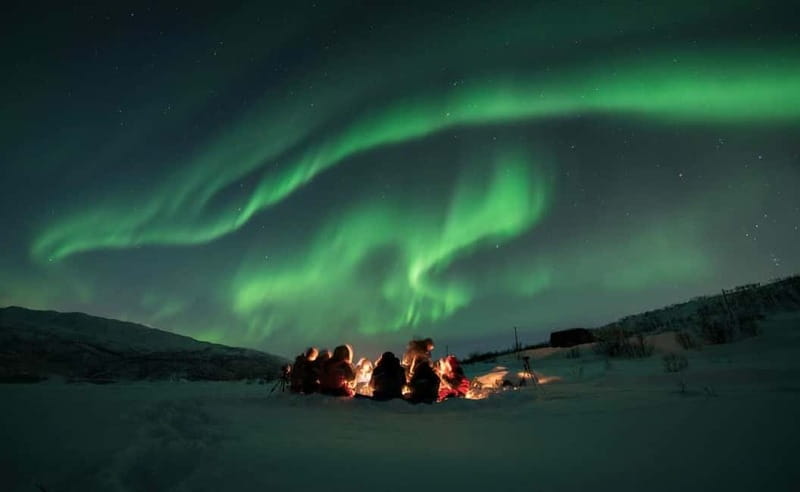
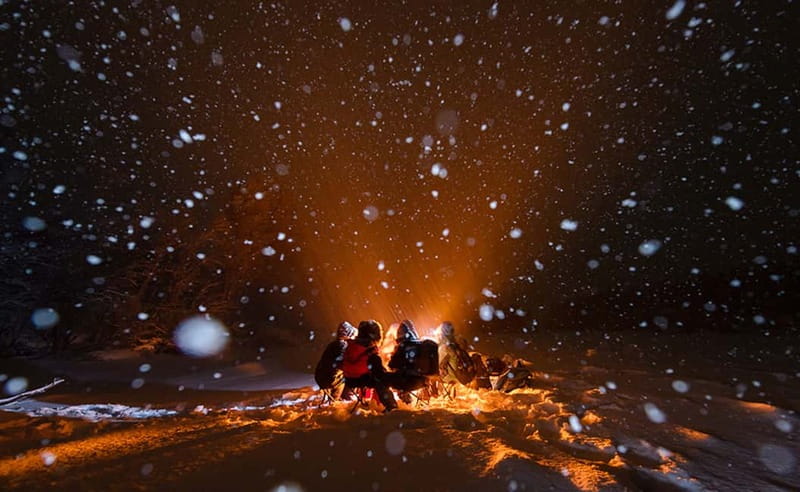
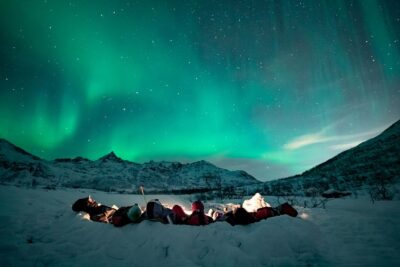
Some aurora tours treat food like a snack. Here, dinner is part of the experience. When conditions allow and the guide builds a bonfire, you get to sit warm, talk with the group, and reset between photo and viewing windows.
The food is homemade vegan soup, plus hot chocolate and biscuits. That choice shows up repeatedly in the praise: people like that it’s not an afterthought, and it’s one of the rare “winter comfort” meals that works for dietary needs without turning the evening into a stress test.
Practical trade-off: because the night is weather-driven, meal timing depends on when the guide needs you outside. The guides still keep it organized, but you should be ready for a flexible rhythm.
The final campsite and pass-by time: last chances to catch the show (about 2.5 hours)
After dinner, the tour continues with another campsite segment and additional pass-by time. This matters because aurora activity often comes in waves. You might have a strong display early, faint activity after, or the opposite. The tour’s structure gives you multiple attempts rather than a single “good luck, everyone” stop.
From the way guides are described in the field—safe driving, careful planning, and willingness to change spots—the real value here is persistence. Even when the aurora isn’t putting on a show yet, the team is still working the problem.
Possible drawback: if you’re expecting a guaranteed long aurora display at one location, the shifting stops may feel different. But if you want the best odds, that’s the trade.
The route strategy: microclimates and the chase beyond Tromsø
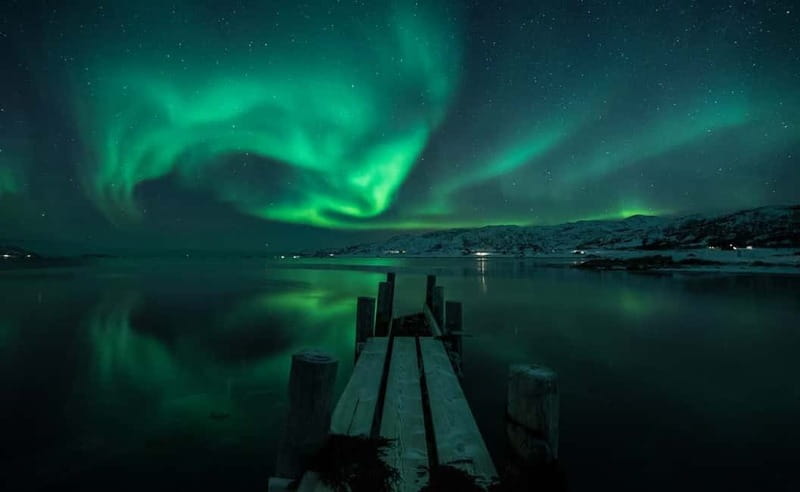
Tromsø looks dramatic in daylight, but the real action is after dark—when clouds, wind, and fog can change in minutes. What makes this tour smart is that the guide uses up-to-date weather forecasts and chooses different remote destinations depending on conditions.
Your route can stay within the Tromsø region, or it can extend farther—some nights even toward the Finnish border. That sounds extreme until you understand the goal: find clear skies when Tromsø itself might be cloudy. In this part of northern Norway, microclimates matter a lot.
Two things you’ll appreciate as a practical traveler:
- You’re not trapped at the mercy of the city’s forecast.
- The team doesn’t stop trying once conditions look questionable.
Citizen science: what you’re contributing in the Arctic
This is the tour’s differentiator. If you want an aurora night that leaves you with more than photos, citizen science gives you a job to do.
During suitable conditions, you’ll participate in data collection using a scientific method. Afterwards, that data is uploaded to research partners’ databases. The tour also links the science work to a responsible tourism project with other local tourism professionals.
You don’t need a science background to participate. The value is that someone has built a workflow, and you follow it. You end the night feeling like you helped—however small your piece might be—rather than just watching nature through a windshield.
Photography help that goes beyond hand-waving
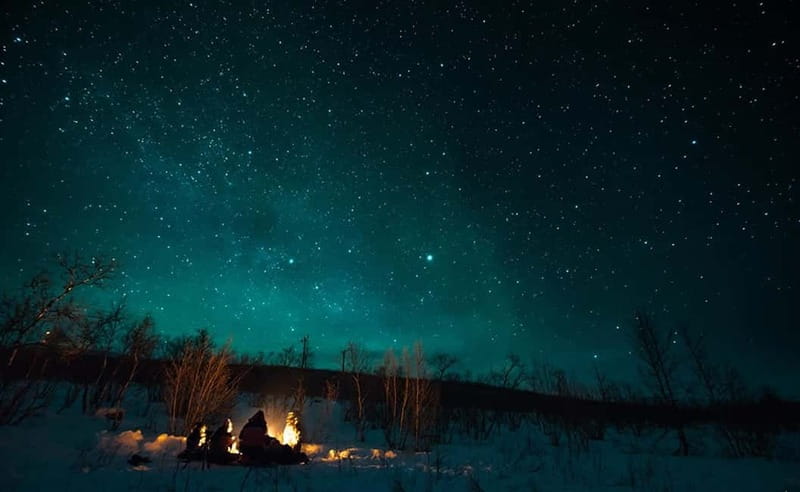
Northern lights photography is intimidating until someone gives you a system. This tour supports you with:
- Tripods and head torches
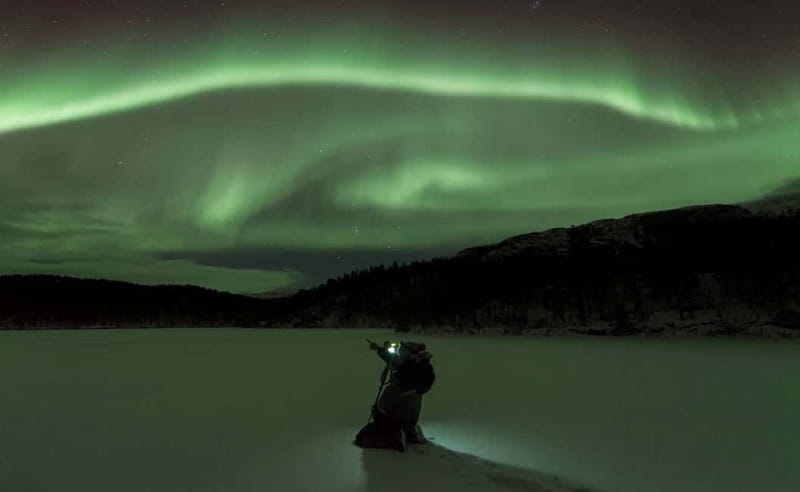
- Guide help with your camera during the night
- Extra photos taken by the guides to share after the tour (web-sized resolution sent by email)
- A reminder to charge your battery and bring a spare if possible
I like that the tour acknowledges the real problem: cold drains camera batteries fast. If you show up with one battery and no spare, your ability to keep shooting can disappear right when the aurora finally wakes up.
Also, remember this is a small group experience. That means the guide can actually troubleshoot with you. If you’re using a phone or a camera that’s not dialed in for night work, you’ll likely get clearer direction than you’d get on a larger tour.
The vibe: campfire calm, guide storytelling, and team safety
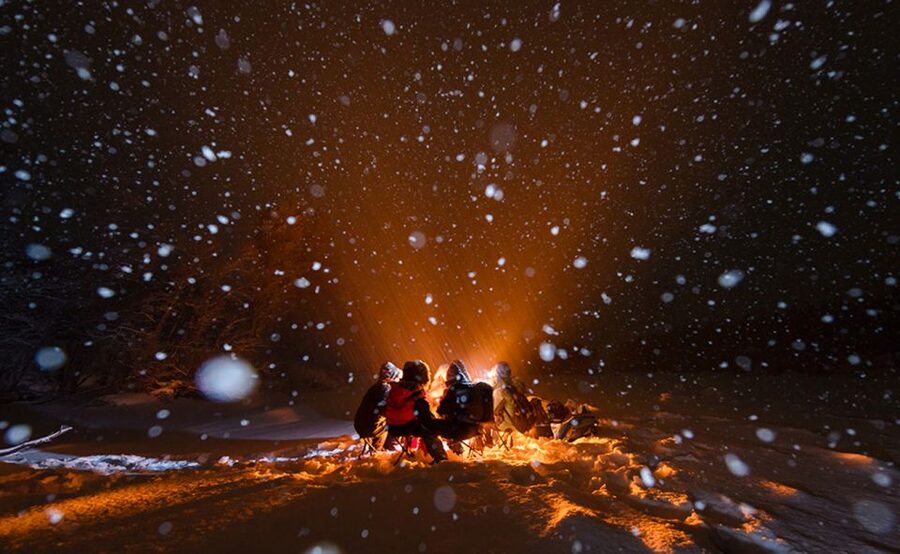
A strong aurora guide can do two things at once: keep you engaged while you wait, and keep everyone safe on icy winter roads. The descriptions of guides and drivers point to both.
Expect storytelling, fun facts, and scientific explanations—plus a calm approach when conditions are tricky. Even in tougher winter weather, you should see careful driving and structured stops. That safety piece matters because you’re sometimes dealing with roads that are icy, and everyone is in winter gear with cameras and tripods to manage.
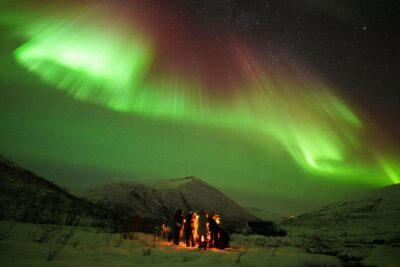
The campfire moments are also where the tour wins emotionally. People remember not only the aurora, but the warm time around the fire—soup, hot chocolate, and conversations while waiting for gaps in the clouds.
Price and value: why $250 can be fair in this specific context
At about $250 per person for roughly 8 hours, this tour isn’t the cheapest aurora option in Tromsø. But value is about what’s included and how much work it takes to find clear skies.
You’re paying for:
- Thermal suits, boots, hats, mittens (major winter cost and comfort factor)
- Tripods and head torches
- Homemade vegan soup, hot chocolate, and biscuits
- Small-group instruction and photography help
- Souvenir photos taken by the guides after the tour
- Citizen science data collection when conditions are suitable
- A flexible, forecast-driven route that can require longer driving (even toward the Finnish border)
If you compare this to tours where you show up in your own clothes, get bundled into a crowd, and stand in one place, the price starts to make sense. You’re buying both comfort and effort.
That said, if you’re budget-tight or you already own winter gear and your camera setup is advanced, the “included comfort + guided coaching + photo sharing” portion is what you should weigh carefully. Decide based on whether you’ll use those extras.
Who should book this aurora hunt
This one fits best if you:
- Want a small-group experience (up to 15)
- Need real winter gear included so you can focus on the sky
- Like the idea of learning while you wait, not just watching from a roadside
- Care about contributing to citizen science and conservation-minded tourism
- Appreciate photography support, including tripods and help with camera setup
You might skip it if:
- You’re not comfortable outdoors for long periods in winter conditions
- You have mobility limits that make winter walking difficult (it’s not suitable for people with mobility impairments)
- You’re traveling with young children (not suitable for children under 6)
- You’re over 300 lbs / 136 kg (not suitable based on provided limits)
- You’re counting on a guaranteed aurora show (it’s not guaranteed)
Quick practical tips to improve your odds
- Wear a warm base layer and don’t underestimate hat + gloves + wool socks.
- Charge your camera battery before you go, and bring an extra one if possible.
- Keep your camera ready at stops, but listen first—guides help you set up efficiently.
- Use the restroom stops wisely. Toilet options are limited; you may only get one gas station stop during the drive, and otherwise you’ll need to use the forest.
Should you book this tour in Tromsø?
If you want the best mix of comfort, learning, and active participation, I’d say yes. This is a serious aurora hunt with a thoughtful structure: forecast-driven driving, thermal gear that keeps you functional, and a campfire meal that turns waiting into something enjoyable.
Book it if you’re excited by the idea of contributing to research, and if you’ll value photography help and guide storytelling even when conditions are imperfect. If you’re okay paying more for included warmth, instruction, and a small group, this is a solid choice.
If you’re mainly chasing a guaranteed spectacle at one viewing point, don’t. You’re signing up for teamwork and weather variables, not certainty.
FAQ
How long is the Aurora Hunt with Citizen Science?
The tour lasts about 8 hours.
Where do we meet, and where does the tour end?
You meet in front of Scandic Ishavshotel on Fredrik Langes Gate 2 in Tromsø. The tour ends back at the meeting point.
What warm gear is included?
Thermal suits, winter boots, hats, and mittens are included, along with tripods and head torches.
Is the northern lights viewing guaranteed?
No. There is no guarantee of seeing the Northern Lights.
What food and drinks are included?
You’ll be served homemade vegan soup, hot chocolate, and biscuits.
Are there toilet options during the tour?
Toilet options are limited. There is a gas station stop during the drive; otherwise you’ll need to use the forest.
Is this tour suitable for kids or people with mobility issues?
It’s not suitable for children under 6, and it’s not suitable for people with mobility impairments.
What should I bring for the best night?
Bring passport or ID, warm clothing with winter base layers, a hat, gloves, socks, weather-appropriate outer layers, and hiking shoes. It’s also recommended to charge your camera battery and bring an extra one if you can.
More Tour Reviews in Tromso
More Aurora Nights from Tromso
Just In: The Newest Tromso Reviews

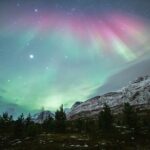
Northern Lights Chases from Tromsø, compared.
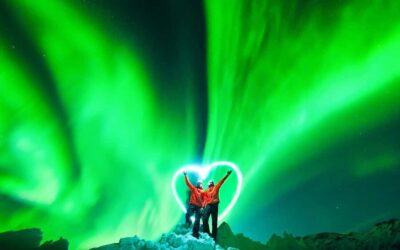 ★ 4.8From Tromsø: Aurora Borealis TourFrom $1814,206 reviews
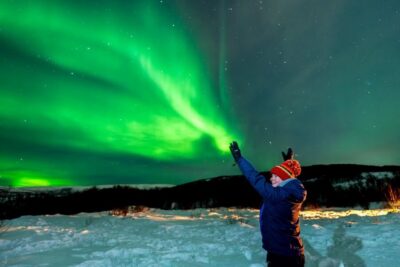 ★ 4.4Northern Lights Chase Minibus TourFrom $1722,687 reviews
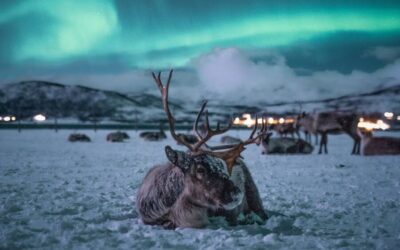 ★ 4.6Reindeer Sled, Dinner, and Chance of Northern LightsFrom $2192,651 reviews
 ★ 5.0Tromso Aurora Hunt with Bonfire, Soup, Winter Gear & TransfersFrom $2262,290 reviews
 ★ 4.7Northern Lights Chase with Free PhotosFrom $1812,097 reviews
 ★ 4.5Northern Lights Tour with Free Professional PortraitFrom $1811,939 reviews
 ★ 4.5Northern Lights SafariFrom $1461,916 reviews
 ★ 4.6Northern Lights Husky Visit with Traditional DinnerFrom $1871,666 reviews
Browse the lists this tour appears in