Reviewed · TROMSO
Tromsø: Lyngen Horse Stud Farm Visit
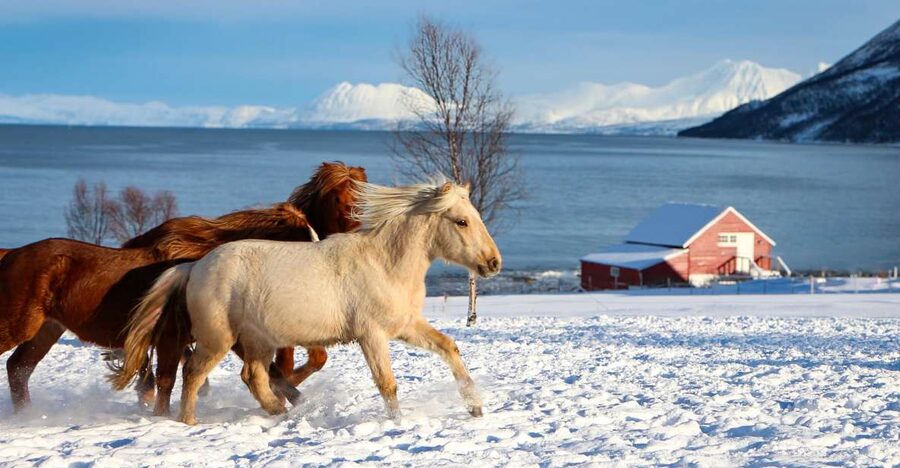
Snow, sea, and gentle giants. On Tromsø Lyngshest’s working farm, I like how quickly you get close to Lyngen horses—mares with foals, stallions, and playful youngsters—while a guide brings the story to life. You’ll also get scenic views time during the outing, which makes the 2 hours feel like real Northern Norway, not just a quick stop.
Two things I especially like: first, the horses are handled with a calm, patient approach, so you’re not rushing or guessing what to do. Second, you’ll learn how Lyngen horses were used across history, including how they were preserved during WWII. One consideration: the horse ride is optional and depends on weather, so if riding is your main goal, keep your expectations flexible.
In This Review
- Key things to know before you go
- Arriving at Tromsø Lyngshest: what the meeting is really like
- Meet the horses: mares, stallions, and playful youngsters
- The Lyngen story you’ll actually remember: from local use to WWII
- How the guided farm tour keeps it safe (and pleasant)
- Optional horse riding: your weather-based decision
- The viewpoint and scenic time: why the timing feels right
- Price and value at about $188 for 2 hours
- Who should book this Lyngen horse stud farm visit
- Should you book Tromsø Lyngshest?
- FAQ
- How long is the Tromsø Lyngen horse stud farm visit?
- Is horse riding included?
- Where do I meet the guide?
- Does the price include hotel pickup and drop-off?
- How many people are in the group, and what languages are spoken?
- Is there a weight limit?
- Are children allowed?
- What is the cancellation policy?
Key things to know before you go
- Tromsø’s oldest Lyngen stud farm gives this visit a true local feel, not a tourist set-up
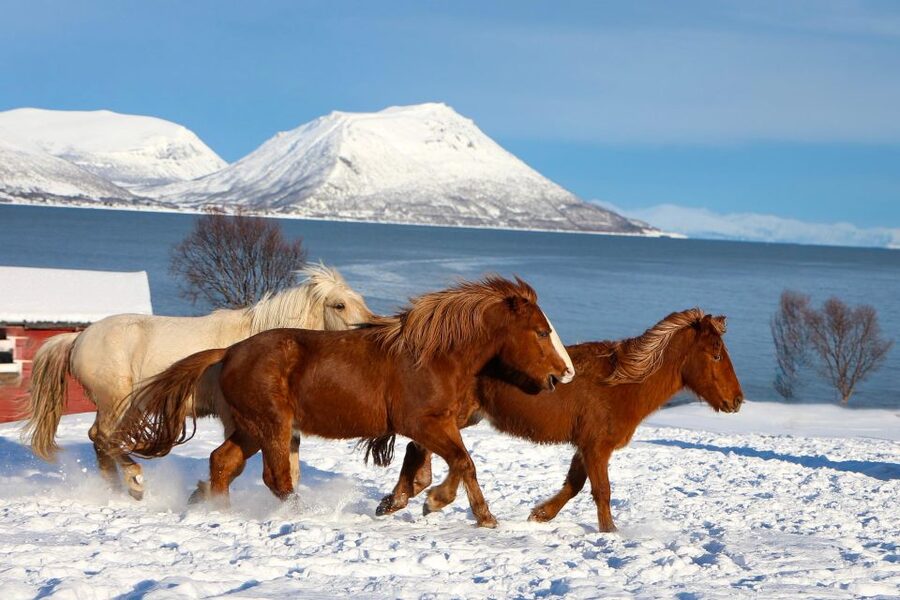
- Mares, foals, stallions, and youngsters mean you’ll see the full rhythm of the herd
- Hands-on time can include very close contact like grooming and feeding, before any riding
- WWII preservation story adds meaning beyond cute animals and photos
- Optional riding depends on conditions, so you’re covered either way
Arriving at Tromsø Lyngshest: what the meeting is really like
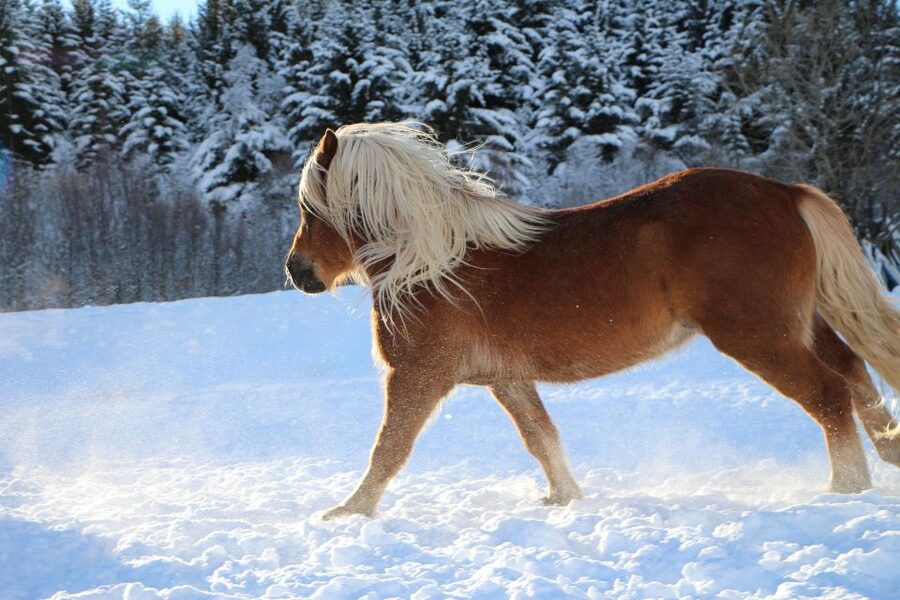
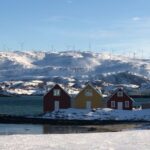
You meet your guide at Tromsø Lyngshest at Ullstindvegen 1279, 9023 Krokelvdalen. The place is easy to spot if you’re watching for the red farm building on your right.
This matters more than it sounds. Because there’s no hotel pickup or drop-off, you’ll want decent transport lined up before you go. If you’re staying in central Tromsø, plan for the time it takes to reach the farm and the weather delays that can happen in winter. The farm experience is scheduled for a tight 2-hour window, so showing up rushed is the easiest way to turn a calm visit into a stressful one.
Once you’re there, the vibe is simple: you’re at a working stud farm, and you’ll follow the rules so the horses stay comfortable and safe. Expect a short orientation from the guide before you’re up close. The guide is live and speaks Norwegian and English, which is helpful if you want to ask questions on the spot rather than just listen from a distance.
I also like that the group is small, limited to 8 participants. That usually means you get more time at horse level—standing beside a mare and foal, or asking how the handlers work with stallions—without the constant churn of a bigger group.
Weighing it up? Here is how this one sits next to the Tromso trips travellers book most.

Meet the horses: mares, stallions, and playful youngsters
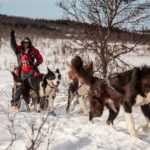
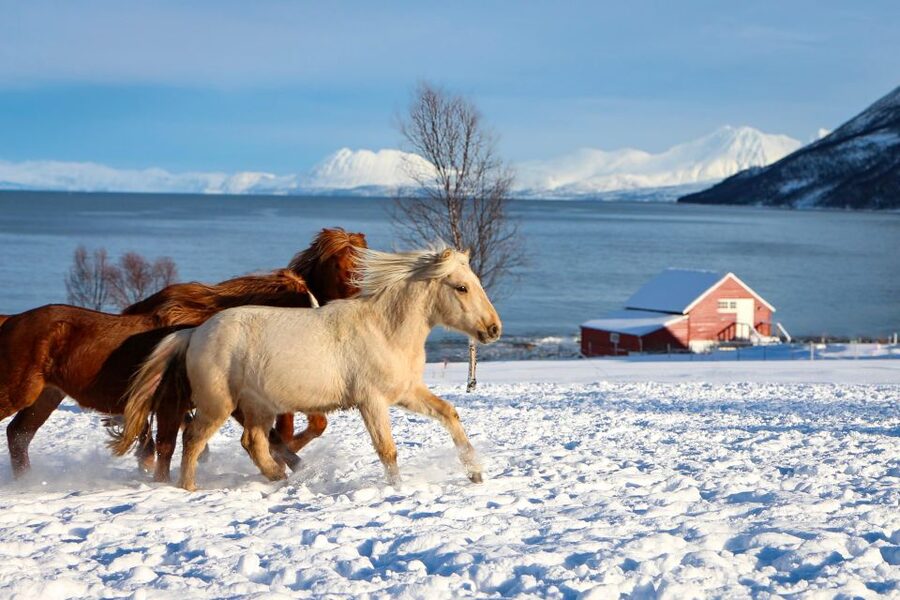
The emotional hook of this visit is the same every time: you arrive and the horses are already there, doing horse things. You’ll encounter mares with foals, plus virile stallions and playful youngsters. This is not a lineup of performers waiting for applause. It’s a real herd, and your best photos (and your best memories) come from steady, respectful time observing them.
In practical terms, you’ll likely spend your time in a few different “horse zones.” You’ll look at how different animals move and behave—some are more curious, some more focused, and youngsters can be unpredictably playful (in a good way). The guide’s job is to keep the flow smooth: who approaches first, how close is appropriate, and what to do if a horse gets distracted.
A couple details from real experiences help set expectations. People have described the horses as gentle and patient, with time to get close, groom, and feed. That’s a big part of the value here. When the horses are calm and well cared for, the contact feels natural instead of rushed, and you learn more from watching than from a slideshow.
And yes, if you’re an animal lover, you might want more time. But the 2-hour pacing is honestly a sweet spot: enough time to connect, but not so long that you and the horses both start to lose focus.
The Lyngen story you’ll actually remember: from local use to WWII
What makes this visit more than a “nice morning with horses” is that you don’t just look—you learn. You’ll hear about Lyngshorse history and what these horses were used for through different periods. The key point is that the Lyngen horse is part of Northern Norwegian cultural heritage, not just a modern hobby or tourism product.
The story includes how the breed was preserved during WWII. Even if you already know the broad outline of Norway in the war years, the farm angle changes the scale. It’s one thing to read history; it’s another to hear how a specific local animal line survived because people took care to protect it.
This is the kind of context that helps you see the horses as living history. You start noticing traits and behavior as something more than “pretty.” You begin thinking about why a breed suited to cold climates, local work, and endurance ended up being worth protecting—especially in turbulent times.
If you like conversations, go ahead and ask the guide what preservation meant in day-to-day terms. You won’t get a single “fact” that answers everything, but you will get the kind of grounded, human explanation that makes the story stick.
How the guided farm tour keeps it safe (and pleasant)
Horse farms are full of energy. Wind, winter ground, clopping hooves, and moving animals can make you forget that safety rules exist for a reason. Here, they are taken seriously—and that’s good for you.
You’ll follow safety instructions during the visit, and you’ll be required to sign a liability declaration that participants take part at their own risk. That paperwork is not fun, but it sets expectations: you’re joining a controlled activity with real animal safety standards, not wandering around a petting zoo.
What you should do as a participant is straightforward:
- Listen first, ask second.
- Follow the guide’s cues about where to stand and when to move.
- Tell the team if you notice anything unusual (for example, if the ground is slippery or a horse seems restless).
Also keep in mind the practical limits:
- Weight limit is 95 kg / 209 lbs.
- The activity isn’t suitable for people with animal allergies.
- Children over 10 are welcome with parental supervision.
- Children under 4 aren’t suitable.
When safety is taken seriously like this, it makes the whole experience calmer. You’ll spend more time watching horses as individuals instead of worrying about what could go wrong.
Optional horse riding: your weather-based decision
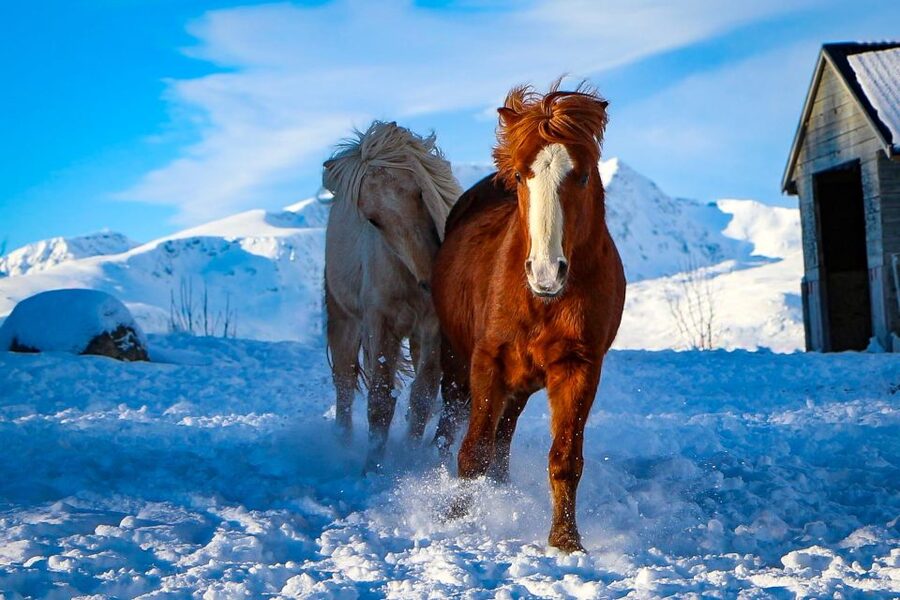
Riding is the big question for most people, so here’s the honest way to think about it: the ride is included only if weather conditions permit, and it’s not mandatory. That means you’re not paying for a guarantee.
If conditions are right, the ride can be a highlight—especially in Tromsø’s winter setting, where you can feel how big the world is when you’re moving through it on a horse. People have described memorable sessions where the timing, weather, and scenery line up nicely, turning the afternoon into something more cinematic than practical.
If conditions are rough, you still get value. You can focus on the farm tour, close contact with the horses, and the guided history. Even without riding, you’ll leave with a clearer sense of how Lyngen horses live and how people work with them.
My advice: wear warm layers you can move in, and be ready for a ride decision to be made on the day. If you’re hoping for a specific kind of ride photo, remember you’re sharing time with living animals, not controlling a set.
More Tromso trips we have been out on and rated


The viewpoint and scenic time: why the timing feels right
The visit includes time for a viewpoint with scenic views on the way, still within the 2-hour experience window. Even if you’re not a hardcore photographer, this short scenic segment changes the mood.
On snowy days, the air can feel sharp and clean. On clearer days, you get a better read on Tromsø’s wider setting. Either way, the viewpoint time helps you connect the farm to the region—why these horses mattered here, and why the farm is where it is.
It also works as a natural break from standing by horses for too long. You’re not stuck in one place the whole time. The outing keeps you active, and the photos feel less like a single instant and more like a real sequence.
One practical note: winter weather can move fast. If you’re sensitive to cold or wind, dress for the viewpoint weather as much as for the stable area.
Price and value at about $188 for 2 hours
At around $188 per person for a 2-hour small-group visit, it’s not a cheap impulse activity. But I think it’s easier to justify when you look at what’s included and what you’re really buying.
You’re paying for:
- Access to Tromsø Lyngshest, a working stud farm tied to an old Northern breed
- A live guide in English or Norwegian
- A small group size (limited to 8), which usually means more time with horses
- History context (including WWII preservation)
- Riding experience if weather permits
That combination is the key. A lot of animal experiences are either educational with no real interaction, or interactive with no story. Here you get both. And when the horses are calm and patient, the hands-on time is more than a novelty.
Also, the price is per person, and you’ll likely want to go with the group size in mind. If you’re traveling with someone you trust to share the experience, the total cost becomes more digestible. If you’re solo, it’s still worth considering, but plan your expectations: it’s a short, focused tour, not an all-day event.
Who should book this Lyngen horse stud farm visit
This is a great fit if you want an authentic horse experience tied to local identity. You’ll likely enjoy it most if you:
- Love horses and want close contact, not just a photo stop
- Enjoy short historical stories that connect animals to real events
- Prefer a small group with a live guide
- Are okay with riding being optional and weather-dependent
It may not be your best match if:
- You need guaranteed horse riding (it depends on weather)
- You have animal allergies (not suitable)
- You’re traveling with very young children (under 4 not suitable)
- You’re above the 95 kg / 209 lbs weight limit
Should you book Tromsø Lyngshest?
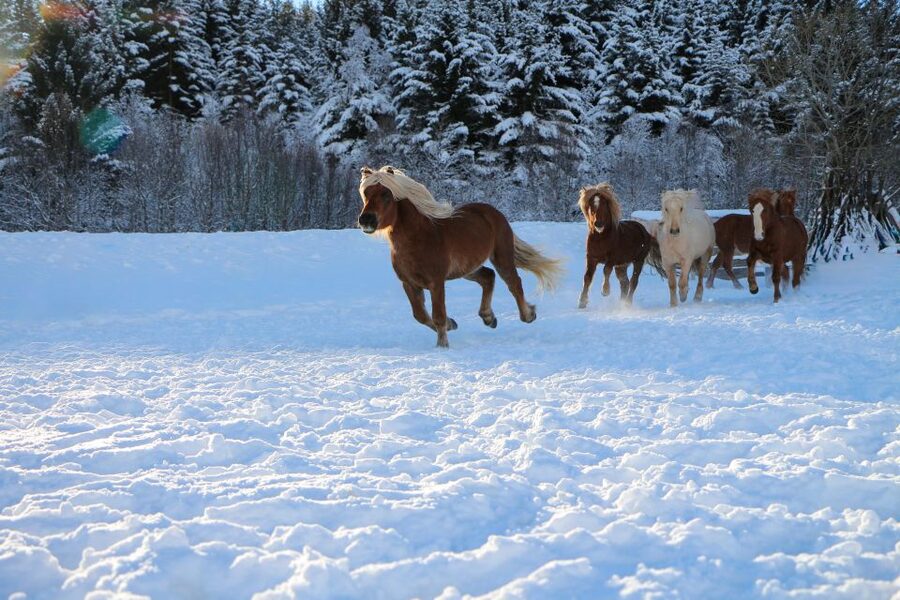
If you’re in Tromsø and you want one experience that feels local, human, and grounded, I’d book this. You get real time with Lyngen horses, a guided story that reaches into WWII preservation, and the chance to ride if the weather cooperates. It’s also paced well for winter: 2 hours, small group, and enough scenery time to break it up.
If your heart is set on riding no matter what, just keep one rule in mind: nature decides. If you can accept that and focus on the farm connection, you’ll likely leave happy and warm, even when the ride doesn’t happen.
FAQ
How long is the Tromsø Lyngen horse stud farm visit?
The duration is 2 hours.
Is horse riding included?
Horse riding is included only if weather conditions permit. Riding is not mandatory.
Where do I meet the guide?
Meet your guide directly at Tromsø Lyngshest, Ullstindvegen 1279, 9023 Krokelvdalen. Look for the red farm building on your right.
Does the price include hotel pickup and drop-off?
No. Hotel pickup and drop-off are not included.
How many people are in the group, and what languages are spoken?
The group is small, limited to 8 participants. The live guide speaks Norwegian and English.
Is there a weight limit?
Yes. The weight limit is 95 kg (209 lbs).
Are children allowed?
Children over 10 are welcome with parental supervision. Children under 4 years are not suitable.
What is the cancellation policy?
You can cancel up to 24 hours in advance for a full refund.