
Reviewed · CROSS-COUNTRY SKIING & SKI TOURING
Tromsø: Electric fatbike trip on winter paths
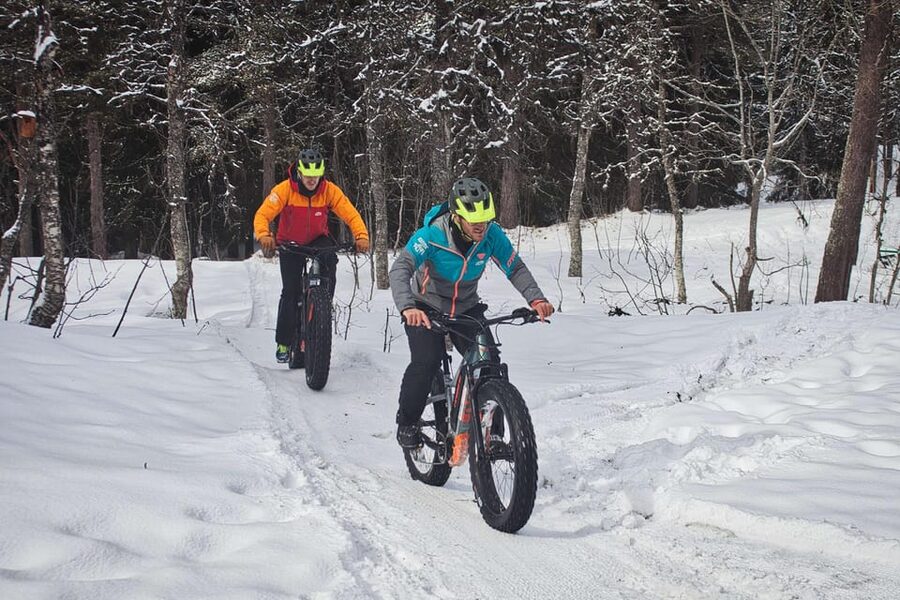
You feel the cold first, then the bike takes over. This guided electric fatbike ride is a practical way to explore Tromsømarka and winter trail systems without turning the day into a fitness test.
What I like most is the secure winter setup: wide fat tires, added grip (including spikes), and a motor that helps you keep moving on snowy, compacted paths. The other big win is the warm break midway, with a hot drink plus locally made lefse from Tove’s Tradisjonsmat, about 40 km from Tromsø.
One thing to plan around: you’ll need to dress for fast-changing weather, and you may want to rent winter gear in advance if you don’t already have proper boots and wind/waterproof layers.
In This Review
- Key highlights to know before you go
- First moments at Tromsø Outdoor: gear up fast
- Meet your guide: the tone is practical, not preachy
- Tromsø on the move: from city edges into Tromsømarka
- What the winter route means in practice
- How an electric fatbike changes the whole day
- The warm break: hot drink and lefse
- Fitness and pacing: tailored to your real situation
- What to wear in Tromsø winter (so you stay warm)
- Safety, lights, and the reality of winter visibility
- Time on the trail: 3 hours that feel like more
- Who this tour is best for (and who should skip it)
- Price and value: what $186 buys you
- Practical tips to make the ride better
- Should you book Tromsø’s electric fatbike winter ride?
- FAQ
- How long is the electric fatbike trip in Tromsø?
- Where do I meet the guide?
- What’s included in the price?
- What time of year is the activity available?
- Do I need my own winter clothes?
- Is the tour offered in English?
- What should I bring besides winter clothes?
- Is the tour suitable for everyone?
Key highlights to know before you go
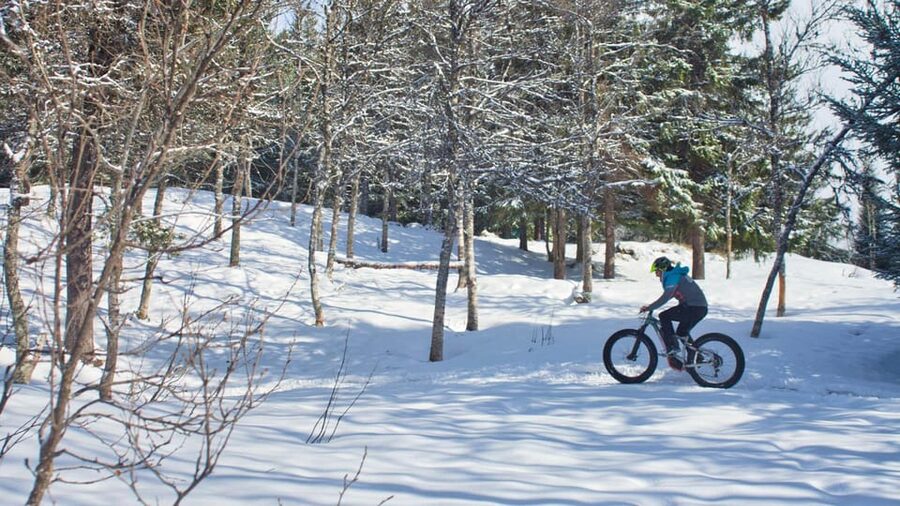
- Tromsømarka on an e-fatbike: winter roads and groomed trails, plus a route that leaves the city behind
- Confidence on snow: helmet, gloves, wide tires, and extra grip designed for wintry cycling
- Hot drink + lefse included: a real local sweet break instead of a quick snack
- Small group of up to 6: easier pacing and better guide attention in cold conditions
- Headlamps when light is low: bikes can be fitted with lights so you can keep rolling safely
First moments at Tromsø Outdoor: gear up fast
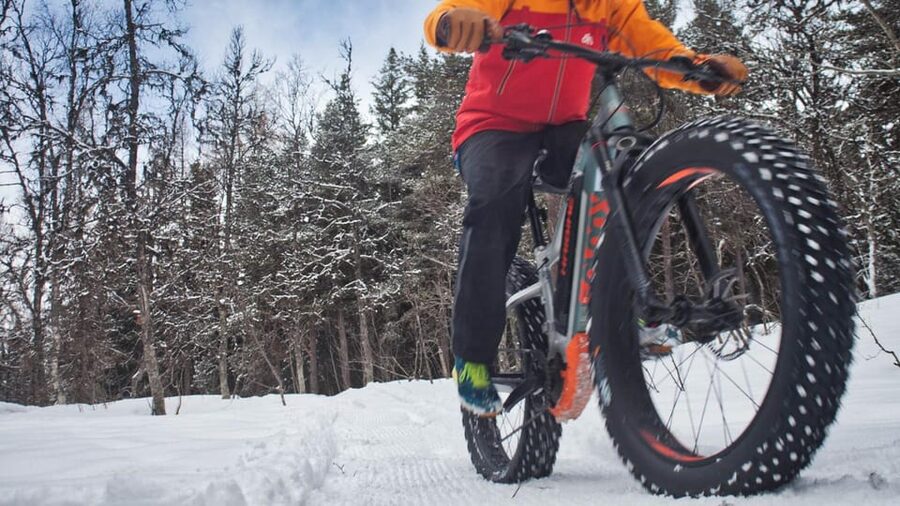
The tour starts right in Tromsø’s city center at Tromsø Outdoor, so you’re not wasting your morning lining up transport. You meet your guide outside, about 10 minutes before departure, then you’ll get kitted out with the basics: helmet and gloves, plus the electric fatbike with winter-ready tires and setup.
This is the part where the day can either feel intimidating or smooth. The experience here is designed to be the second one. You’ll get a short introduction, then hands-on help to get the bike working the way you need in winter conditions. Expect a quick focus on control and comfort first, then you’re ready to ride.
If you’re used to a normal bike, you’ll still feel the difference within the first few minutes. Fat tires handle snow better, but they also change how the bike tracks under you. The guide helps you dial in how much power to use and how to move on compacted trails without fighting the surface.
Clip in for more cross-country and ski touring days
Meet your guide: the tone is practical, not preachy
The guide role matters more on a winter bike tour than on a summer walking tour. Conditions shift quickly, visibility changes, and the “right” way to ride can depend on trail texture and snowpack.
On the English-guided rides, the group gets someone who’s comfortable explaining both practical riding and the bigger picture of what you’re seeing. I’m also glad they bring real personality into it. One guide, Matthew (Matieu) from Switzerland, was described as friendly and engaging, and he sounded confident when talking about local history and culture alongside what you’d notice outdoors.
That mix is what you want in Tromsø in winter: the outdoors isn’t just scenic, it’s a working part of life. The guide turns the ride into an informed stroll through the Arctic everyday.
Tromsø on the move: from city edges into Tromsømarka
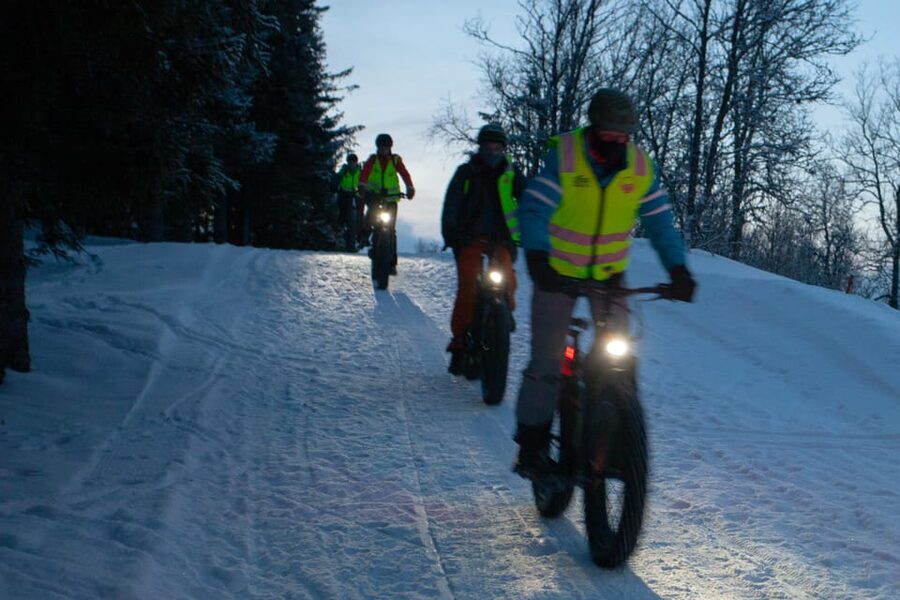
After the bike setup, you start exploring. The route includes time through Tromsø itself, then moves into the Tromsømarka forestry areas that spread across and around the city. This transition is one of the most satisfying parts of the tour.
In winter, Tromsø can look like a city that’s suddenly grown peaks and white space. The high ridgelines are often visible in the distance, so it’s not just “cycling in snow.” It feels like you’re moving into another world while still staying close enough to return to town within a few hours.
This city-to-forest arc also helps you build confidence. You’re not thrown immediately onto the most intense section. You get a chance to find your rhythm first, then the ride deepens as the route heads into the quieter winter trails.
What the winter route means in practice
In summer, similar tours would tend to use roads and mixed earth/gravel cycling trails. Here, in winter, you’ll ride on:
- roads, and
- compact, groomed trails prepared for cycling
If light is fading at your departure time, you’ll use headlamps and bike lights when needed. That’s a big deal for winter days in northern Norway, where the sky can go from bright to dim faster than you expect.
How an electric fatbike changes the whole day
The “electric” part isn’t just about comfort. In snow, it affects your safety margin.
With the e-fatbike, you’re not racing to keep momentum in ECO settings or praying you don’t stall on an incline. The motor supports you so you can focus on balance, line choice, and staying relaxed. That matters because winter cycling is mostly about smoothness: gentle steering inputs, steady cadence, and not overreacting to small skids.
One rider feedback highlighted that the motor was more than adequate for the initial accent, even with conservative power use. Another praised the way the bike setup, including tire width and pressure plus additional spikes, created secure grip and confidence.
So if your fitness is solid but not specifically winter-cycling strong, this tour makes a lot of sense. You still get outdoors time and movement, but you avoid the situation where the cold plus a steep push turns the whole thing into survival.
More Tromso trips we have been out on and rated


The warm break: hot drink and lefse
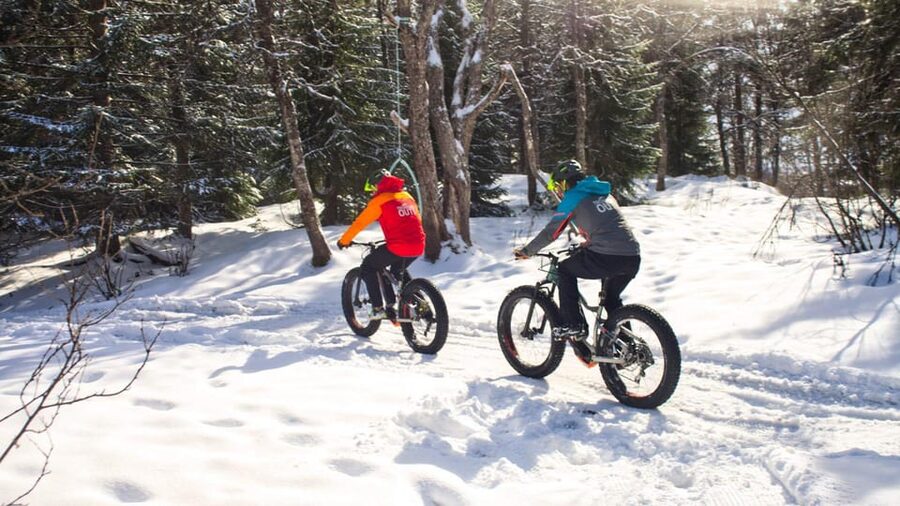
About halfway through your ride (timing can shift with weather and group pace), you’ll get a hot drink and a traditional local sweet snack: lefse. This isn’t an afterthought tossed in at the end. It’s part of the pacing.
Lefse is a Norwegian classic, and the fact that it’s locally produced from Tove’s Tradisjonsmat (around 40 km from Tromsø) gives the stop more meaning. You’re not just eating something warm; you’re tasting a local tradition in the setting where people actually live through winter every year.
For practical travelers, this break also does something invisible: it helps you reset gloves-on circulation and head back out with less numbness. On a winter bike tour, that can be the difference between enjoying the ride and just counting minutes until you’re back inside.
Fitness and pacing: tailored to your real situation
A key part of why the group size stays small (max 6 participants) is pacing. The tour is explicitly tailored to your fitness level, cycling experience, and current weather conditions.
That means you’re unlikely to be dragged fast through snowy sections, and you’re unlikely to be bored slow either. Instead, you’ll get a ride that tries to stay within the comfort zone where you can actually enjoy the scenery and the guide’s explanations.
This is also why you should arrive ready to learn. If you can ride a bike already, you’ll be able to handle the mechanics. The winter part is more about adapting your technique. The guide helps you gain confidence in wintry snowy conditions, not just “gets you on the bike and hopes.”
What to wear in Tromsø winter (so you stay warm)
The tour is available 1 December to 31 March, so this is serious cold-country weather. Dress for rapid changes. Even if the morning looks fine, the wind and snow texture can shift fast.
You’ll want:
- warm layers
- wind/waterproof outer gear
- extra jumper
- hiking or winter boots
- gloves and a hat
- sunglasses (snow glare is real)
- sunscreen (yes, in winter)
If you don’t have the gear, the rental center can provide winter clothing and boots, but you need to book in advance (service fees apply). That’s worth doing early if you’re arriving without proper winter footwear. Bad boots turn an otherwise great day into a sore-foot problem.
Also plan for a small, practical carry situation. A small backpack can be handy if you want to keep spare gloves, a warm hat, or a light layer dry.
Safety, lights, and the reality of winter visibility
Winter cycling is mostly about what you can’t always control: light levels, surface texture, and how fast conditions change. This tour builds in a safety layer with lights if needed.
When light drops, you’ll use headlamps and bike lights. You’re also provided with helmet and gloves, and the bike setup is designed for winter traction. Spikes and tire pressure adjustments are part of what gives you grip on compacted snow rather than spinning out or sliding unexpectedly.
If you’ve never ridden with extra traction devices before, you might initially expect the bike to behave differently. The guide’s role is to help you understand how the bike feels and where your traction limits are. That lowers stress, which helps you ride smoother.
Time on the trail: 3 hours that feel like more
The duration is 3 hours, which is a sweet spot for a winter activity. It’s long enough to feel outdoorsy and see the city-to-forest transition. It’s short enough that you’re not spending half the day freezing in layers.
The small group size also helps the time feel well used. With fewer people, you get better instruction and fewer stop-start moments. You’re also more likely to keep a steady temperature rhythm thanks to pacing that considers your comfort.
Plus, since the start and finish are back at Tromsø Outdoor in the center, you don’t need to plan your whole day around transportation. After you return, you’re close to restaurants and hotels.
Who this tour is best for (and who should skip it)
This experience fits best if:
- you can ride a bike confidently
- you want a winter outdoors activity without extreme difficulty
- you like learning about nature and daily life above the Arctic Circle
- you enjoy short breaks with local food instead of just photos
It’s not suitable if:
- you’re under 12
- you can’t ride a bike
- you have mobility impairments
- you’re under 150 cm (4 ft 9 in)
- you’re over 110 kg
- you’re looking for a stroller-friendly or fully seated activity
If you’re unsure about your winter clothing, don’t guess. Plan to rent winter gear in advance if needed, and bring the essentials listed above anyway if you can.
Price and value: what $186 buys you
At $186 per person for about 3 hours, the price can look steep until you break down what’s included and why it matters.
You’re paying for:
- a winter-ready fat e-bike
- helmet, gloves, and headlight if needed
- a small-group English-speaking guide
- a hot drink plus local lefse
The “value” here isn’t just the bike. It’s the combination of winter traction setup, guided route knowledge, and pacing that helps you enjoy the experience instead of battling conditions. In winter, those safety and comfort factors are worth real money.
Also, because the group is limited to 6, you’re not stuck in a crowd where you can’t ask questions or where pacing becomes one-size-fits-all. That matters when it’s cold and you’d rather be concentrating on riding, not on logistics.
Practical tips to make the ride better
A few things will improve your day right away:
- Bring wind/waterproof layers even if the forecast looks mild
- Wear sunglasses and consider sunscreen, since snow glare is intense
- If you’re renting, book it ahead so you don’t lose time on the day
- Arrive with gloves you can actually ride in comfortably
- Use the bike power settings to stay relaxed, not to “prove yourself” on climbs
If you like structure, you’ll appreciate that the tour starts with setup and instruction, then shifts into riding with clear pacing. If you like authenticity, the lefse stop and the guide’s Arctic-life explanations help you connect the dots between outdoors scenery and local winter habits.
Should you book Tromsø’s electric fatbike winter ride?
If your main goal is to see Tromsømarka in winter without spending the day struggling, I think this is a smart booking. The guided format, small group size, winter traction setup, and included warm snack make it feel like a complete experience rather than just a rental you figure out on your own.
You might skip it only if you’re not comfortable riding a bike in snow, or if you don’t have the right winter clothing and don’t want to deal with rentals. For everyone else, it’s a fun, hands-on way to get outdoors, stay warm, and learn what life looks like above the Arctic Circle while you’re moving.
FAQ
How long is the electric fatbike trip in Tromsø?
The tour lasts 3 hours.
Where do I meet the guide?
You meet the guide outside Tromsø Outdoor, about 10 minutes before departure.
What’s included in the price?
Included are the fat e-bike, helmet, gloves, a hot drink and local pastry (lefse), and an English-speaking guide. Headlight is included when needed.
What time of year is the activity available?
It runs from 1st December to 31st March.
Do I need my own winter clothes?
Warm clothing is required, and winter clothing and boots are available to rent in advance from the rental center (service fees apply).
Is the tour offered in English?
Yes, the live tour guide is English.
What should I bring besides winter clothes?
Bring warm clothing, sunglasses, a hat, sunscreen, gloves, and warm shoes. Wind/waterproof clothes and an extra jumper are specifically recommended.
Is the tour suitable for everyone?
It’s not suitable for children under 12, people with mobility impairments, people who can’t ride a bike, people under 150 cm, or people over 110 kg.
More Winter Activities in Tromso
More Tour Reviews in Tromso


Cross-Country & Ski Touring, Keep Going
Just In: The Newest Tromso Reviews

Cross-Country Skiing & Ski Touring, compared.
 ★ 4.7Cross Country Guided Skiing CourseFrom $99503 reviews
 ★ 5.0Cross-Country Ski Lesson for Beginners in TromsoFrom $134180 reviews
 ★ 4.5Tromsø Cross-Country Ski AdventureFrom $12872 reviews
 ★ 4.6Snow Sledding, Mini Skiing, Lasso and Reindeer HidesFrom $6960 reviews
 ★ 4.9Ski touring (ski de randonnee)From $19118 reviews
Browse the lists this tour appears in