
Reviewed · CROSS-COUNTRY SKIING & SKI TOURING
Tromsø: Ski touring (ski de randonnee)
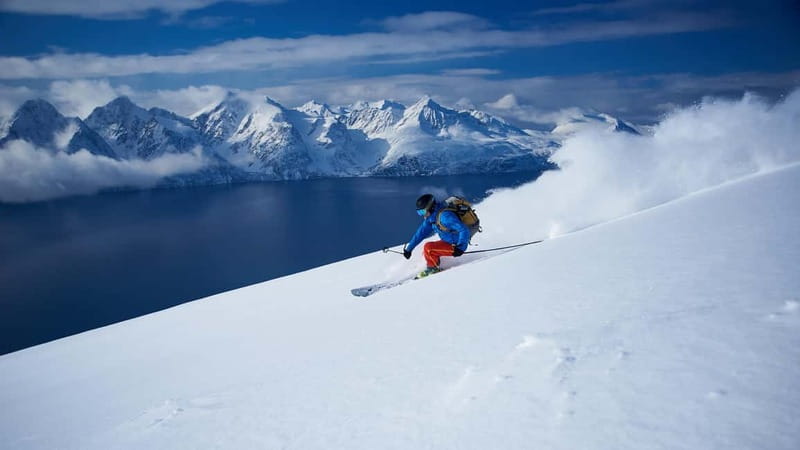
Skiing above Tromsø feels unreal. This ski de randonnee day turns quiet Arctic scenery into real motion—uphill under your own power, then down through snow with fjord and city views. I like how the trip is built for control and comfort: the pace stays gentle and the terrain is chosen for the group.
I love the value here because most of the hard stuff is handled for you. You get the full kit (including skins and headlamp), plus instruction on how to use it safely. I also like the safety emphasis: you’re skiing with an instructor team behind the scenes and carrying avalanche gear for the day.
One possible drawback: you must be ready for skiing beyond basic cruising. The minimum bar is confidence on red slopes and experience skiing outside the marked lines, and the route is weather-dependent—so conditions and light can vary a lot in winter.
In This Review
- Key things I’d prioritize before you go
- Why Tromsø makes ski touring feel like the Arctic’s real sport
- What the day feels like: transfer, low pace, and a group that stays together
- Gear you don’t have to hunt down: skis, skins, helmet, headlamp, avalanche kit
- The skill requirement isn’t strict for fun—it’s there to keep you safe
- The climb: 400–600 vertical meters, easy uphill terrain, summit-to-sea payoff
- How winter daylight changes the tour (and what to expect)
- December to February: polar night ski touring with headlamps
- March to May: longer days and daylight skiing
- What happens at the meeting point outside Aurora fokus cinema
- Why the guide credentials matter in avalanche terrain
- What you need to bring so you stay warm and functional
- Price: is $191 worth it, or just expensive?
- Who this ski touring day in Tromsø is best for
- The kind of guidance you’re likely to get (including names like Rune)
- Should you book this ski touring day?
- FAQ
- How long is the ski touring experience near Tromsø?
- What time does the activity run?
- How big is the group?
- What skiing experience do I need?
- Is ski gear included?
- What should I bring, since lunch and clothing aren’t included?
Key things I’d prioritize before you go
- Small group (max 6) means more personal coaching and less waiting around.
- 400–600 vertical meters climbed over roughly 3–6 km keeps it challenging but not punishing.
- Polar night option (Dec–Feb) adds strong headlamps when daylight is scarce.
- Guide credentials for safety include avalanche instruction and certified mountain leadership.
- Gear is truly included: skis, poles, shoes, skins, goggles, helmet, headlamp, and avalanche equipment.
Why Tromsø makes ski touring feel like the Arctic’s real sport
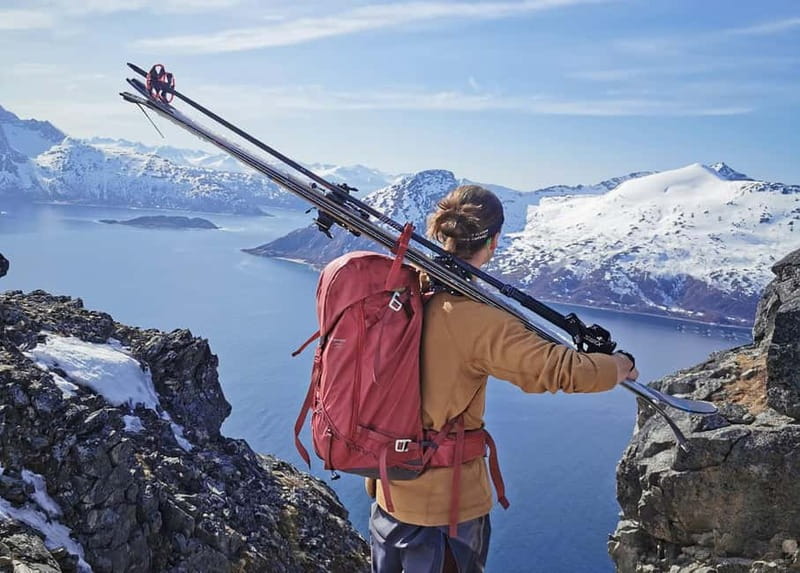
Tromsø has become Norway’s ski-touring hub for a reason. The ski resort itself is small, but the surrounding terrain is where the magic is. You’re not just hanging around groomers; you’re building your own route through winter scenery with the fjords and the city often in view.
The big advantage is that you can do something very “local” without needing a long expedition plan. A guided day gives you the structure, the safety framework, and the knowledge to pick the right snow and route for the group. That matters in Tromsø because weather can change fast, and winter light is its own character.
The best part for me is the rhythm: skin uphill, controlled glide downhill, repeat with breaks when your legs need them. You leave with more than photos—you come away understanding how ski touring works in real conditions.
Clip in for more cross-country and ski touring days
What the day feels like: transfer, low pace, and a group that stays together
This is built as a relaxed guided experience rather than a race. Plan on about 6 hours on the snow, with the trip running roughly 8:30 AM to around 4 PM. The group is capped at 6 participants, which keeps things manageable for the guide and helps everyone stay close enough for coaching.
A transfer service is included from Tromsø city center to the starting area and back again. That saves you the “figuring it out” stress, especially in winter when you’re dressed for cold and your day depends on timing.
Your guide sets a low pace on the uphill track. That’s not just comfort—it’s also good technique. When you’re not burning out early, you can focus on balance, efficient uphill movement, and clean transitions into the downhill.
Gear you don’t have to hunt down: skis, skins, helmet, headlamp, avalanche kit
One reason this tour feels like good value is that it includes the gear most people hesitate to rent. You’ll be given skis, poles, shoes, and skins—the traction system that helps you climb. You also get goggles and a helmet, which I’m glad to see, because those are the everyday basics for winter mountain skiing.
Then there’s the “serious but reassuring” part: headlamp and avalanche gear are included. The headlamp matters most during December–February, when the light changes dramatically. The avalanche equipment is there because ski touring isn’t just about views; it’s about traveling in terrain where safety choices matter.
A detail I appreciate: the tour includes instruction on techniques and tips. That turns the included gear from a box-check into something you actually learn to use, especially if you’ve never toured before or you’re still getting comfortable.
The skill requirement isn’t strict for fun—it’s there to keep you safe
This trip is for people who ski with confidence. The stated minimum is red slopes plus experience skiing off-piste. You also need a minimum medium fitness level, since you’re climbing 400–600 vertical meters and spending time in winter gear.
Why does this matter? Because ski touring demands more control than resort skiing. The uphill can be slower, but the downhill depends on how steady you are when snow is not groomed and the terrain isn’t perfectly shaped for you. If you’re uncomfortable outside the marked lines, you’ll likely spend the day thinking more than moving.
If that sounds like you, consider an easier option offered by the same operator—there’s a beginner-friendly approach in their world for nordic wilderness skiing. It’s smarter to match the activity to your current ability than to force it and end up frustrated.
The climb: 400–600 vertical meters, easy uphill terrain, summit-to-sea payoff
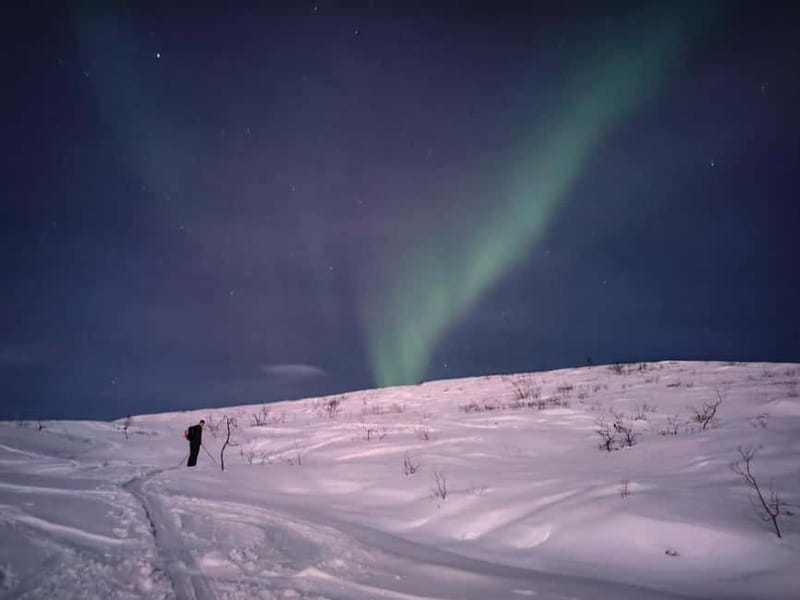
Most days follow a similar structure. You’ll climb roughly 400–600 vertical meters over about 3–6 kilometers, mostly on easy terrain for uphill travel. That’s a sweet spot: enough altitude to feel you went somewhere, without turning the day into a grind.
The guide chooses where you’ll go based on weather and snow conditions, and also based on your group. That flexibility is a big deal in Tromsø. Snow quality, wind, and visibility can change, and the “best” line on one day can be the wrong choice the next.
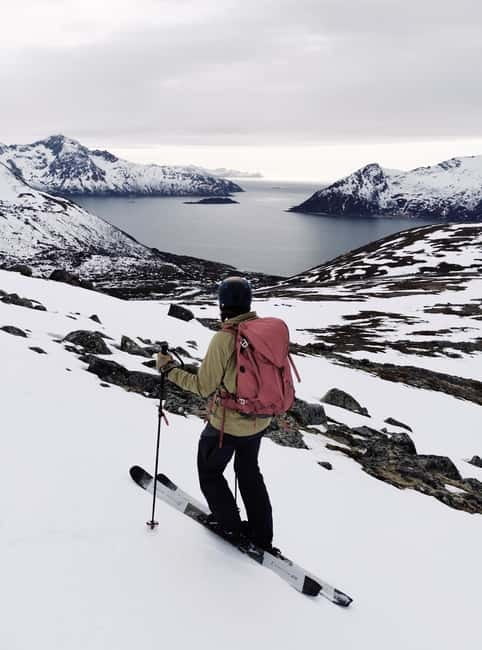
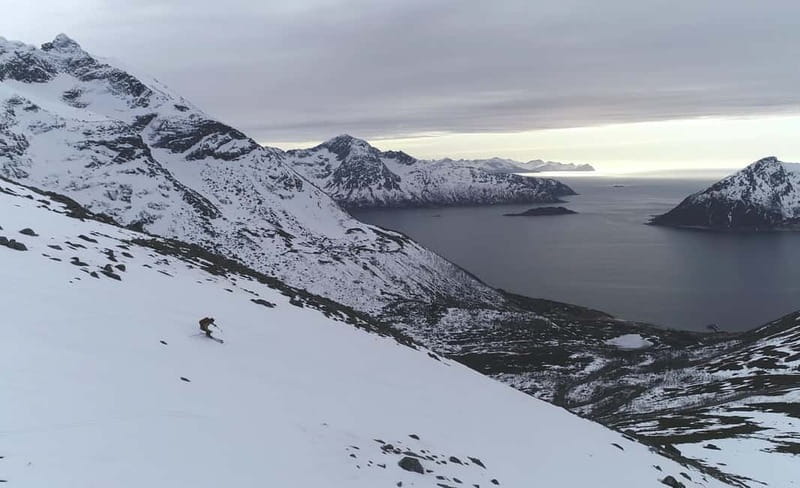
What you can expect from the overall experience is the summit-to-sea feeling. You’re not just climbing—you’re working toward downhill skiing with impressive views of mountains, the fjord, and sometimes Tromsø city itself. The day also gives you a real sense of how ski touring lets you connect places you usually only see from road or air.


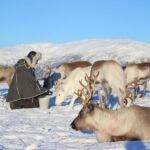
How winter daylight changes the tour (and what to expect)
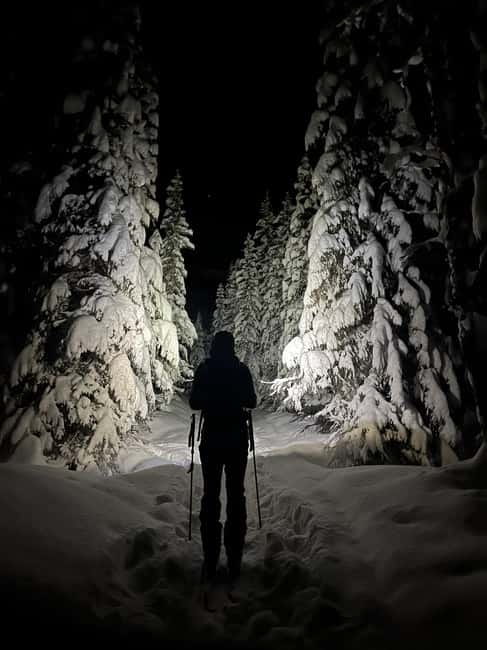
Tromsø’s light is a tour partner. And this tour is adjusted for it.
December to February: polar night ski touring with headlamps
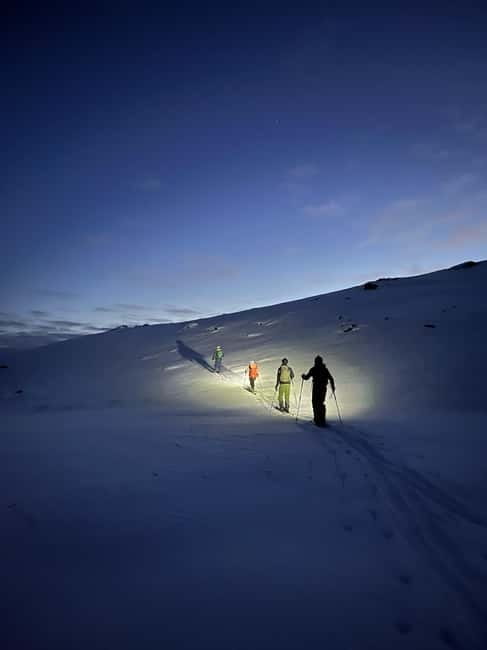
During December–February, you may experience polar night conditions where there’s very limited daylight. When that’s the case, the tour adds strong headlamps to keep travel safe and focused. The light varies through winter, so don’t assume it will be dark the whole time or bright the whole time—it’s seasonally dependent and day-dependent.
That also changes your perception of distance and slope. Headlamps help you keep your bearings fast, and your guide’s route choice helps you stay in terrain that works for the group.
March to May: longer days and daylight skiing
From March–May, days get longer and you ski only in daylight. That sounds simple, but it’s a real quality-of-life improvement. You’ll spend less time managing visibility and more time enjoying the terrain and views as they reveal themselves.
Even then, winter conditions can be serious. The bright daylight doesn’t mean the snow is easy—so still ski within your ability and follow your guide’s cues.
What happens at the meeting point outside Aurora fokus cinema
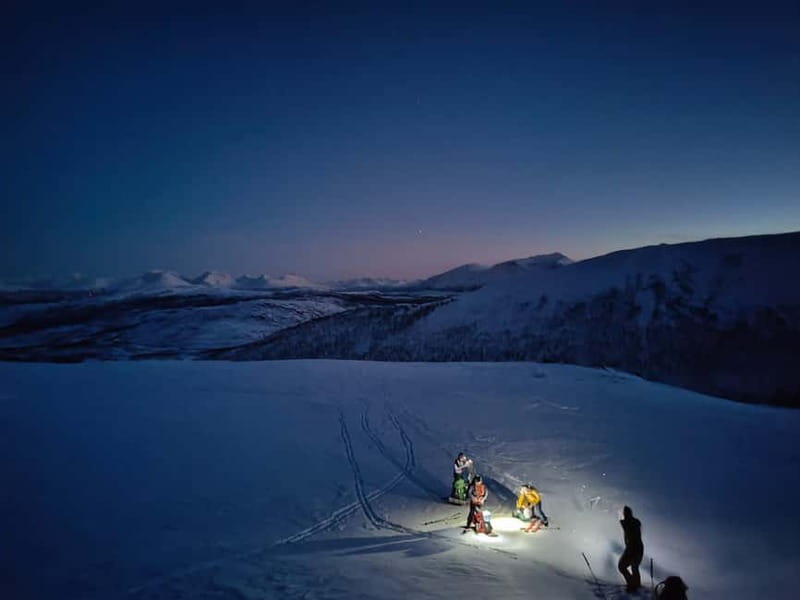
You’ll start and end at the same spot. Meet your guide outside Aurora fokus cinema, next to the library. Look for someone wearing Sommarøy Adventure clothing or holding a Sommarøy Adventure sign. After the ski day, you return back to that meeting point.
This kind of meeting setup matters more than people think. In winter, it’s easy to waste time searching around town with cold hands. A clear meeting point gives you a clean start and lets you focus on the day instead of logistics.
Why the guide credentials matter in avalanche terrain
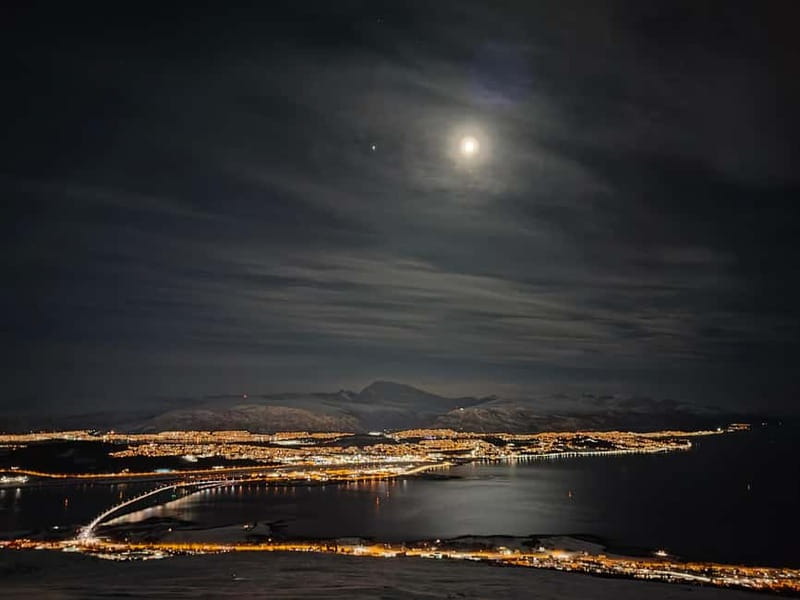
Ski touring isn’t just “fun skiing with extra steps.” Snowpack decisions and route choices can make a huge difference. This operator emphasizes professional leadership and safety throughout the day. The guide is nationally certified, with avalanche instructor background through Norsk Fjellsportforum and mountain leadership credentials through NNGF.
In practical terms, that means you’re guided by someone who understands how to maintain safety as conditions shift. You’re not left figuring it out on your own, and you’re also not just handed gear and a vague suggestion of where to go.
If weather is unsafe, the tour can be rescheduled or canceled for safety reasons, with a refund if you can’t join the adjusted plan. That’s the right mindset for this part of Norway—your best day is the one you can do safely.
What you need to bring so you stay warm and functional
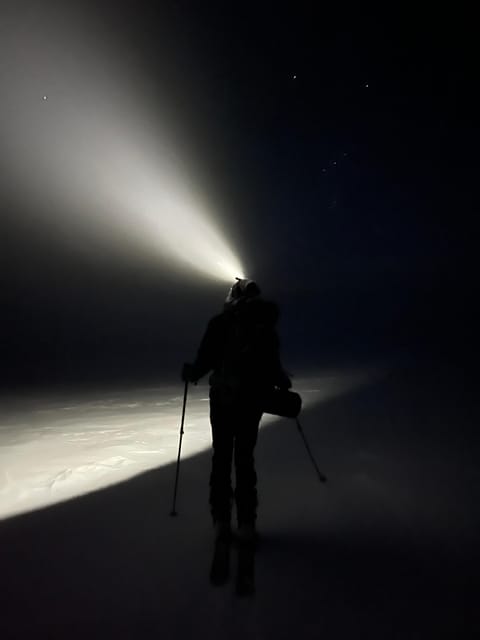
Gear is included, but your clothing is not. So pack like someone who plans to be outside for hours, moving uphill and then stopping for a bit in the cold.
Plan on bringing:
- Lunch (not included)
- Outdoor clothing in layers: base layer, mid layer, outer layer
- Hat and gloves
- Personal medicine
- Extra warm layer for upper body and lower body
- A thermos bottle or bottle with water (a hermo bottle with tea/water is specifically suggested)
- A backpack and your own water bottle (these are not included)
Two small items that can trip people up: ski socks aren’t included, and regular socks might not be warm enough or suited for touring. Also, layering is advised because your temperature can swing from exertion uphill to colder breaks.
Price: is $191 worth it, or just expensive?
At $191 per person for a roughly 6-hour guided day, the value comes from what’s bundled together. You’re not paying extra for guide time, basic touring instruction, or the core equipment. The included kit covers skis, skins, safety gear, helmet, goggles, and headlamp—plus transportation in and out of Tromsø city center.
If you’ve ever tried to cobble together a winter day yourself, you know how fast costs pile up: rentals, safety considerations, and a guide to help with route choice and technique. Here, the price is basically buying you a controlled experience: small group, professional leadership, and a day designed around the right skiability level.
The main “cost” isn’t money—it’s committing to the skill requirement. If you can ski red slopes and handle off-piste, you’ll likely get a day that feels worth every kroner and every step uphill.
Who this ski touring day in Tromsø is best for
This tour is ideal if you:
- Can ski red slopes with confidence
- Have off-piste experience and feel comfortable outside the marked lines
- Are in decent winter fitness for a sustained uphill effort
- Want a guided introduction to ski touring techniques and how to manage the gear
It also fits people who want views without turning it into a full-on mountaineering plan. You get fjord scenery, mountains, and possible northern lights conditions depending on the sky—not guaranteed, but the region’s famous for it, and your guide’s route choice and timing can help.
And if you like hearing how locals do winter sports, this is one of those days that feels tied to how the area lives in winter, not how people visit in winter.
The kind of guidance you’re likely to get (including names like Rune)
A detail that stands out from the operator’s reputation is the quality of coaching. In the real world, guides like Rune have been associated with expert guiding and a focus on making the day fun while still keeping it safe. That kind of energy matters on ski touring days, because the difference between a good day and a great day is often how well your guide balances pace, technique, and morale.
You’ll also get feedback on how to use your equipment and tips for better skiing choices. That’s how you turn a guided day into skills you can take to your next outing.
Should you book this ski touring day?
If you’re an intermediate skier who wants a guided Tromsø ski touring day with included gear, small-group attention, and fjord-and-city views, I’d strongly consider booking. The structure is solid: low uphill pace, safety training, and equipment support so you can focus on skiing rather than logistics.
Don’t book if you’re not ready for off-piste skiing or you can’t handle red slopes yet. In Tromsø, the mountains will still be there tomorrow, but having the right skill level makes the experience enjoyable instead of stressful.
Also, be flexible mentally about the conditions. Light and snow can change, and weather can affect whether the route runs as planned. When that happens, the operator prioritizes safety and adjusts the plan.
If you match the skill level, this is the kind of winter day that makes you understand why ski touring is such a local obsession.
FAQ
How long is the ski touring experience near Tromsø?
The tour lasts about 6 hours.
What time does the activity run?
It runs from about 8:30 AM to around 4 PM, depending on the season and schedule.
How big is the group?
The group is limited to a maximum of 6 participants.
What skiing experience do I need?
You should be comfortable skiing red slopes and have off-piste experience, along with a minimum medium fitness level.
Is ski gear included?
Yes. Skis, poles, shoes, skins, goggles, helmet, headlamp, and avalanche gear are included.
What should I bring, since lunch and clothing aren’t included?
Bring lunch and your own layered outdoor clothing (base layer, mid layer, outer layer), plus hat and gloves. Ski socks, a backpack, and a water bottle are also not included.
More Tour Reviews in Tromso

Cross-Country & Ski Touring, Keep Going
Just In: The Newest Tromso Reviews


Cross-Country Skiing & Ski Touring, compared.
 ★ 4.7Cross Country Guided Skiing CourseFrom $99503 reviews
 ★ 5.0Cross-Country Ski Lesson for Beginners in TromsoFrom $134180 reviews
 ★ 4.5Tromsø Cross-Country Ski AdventureFrom $12872 reviews
 ★ 4.6Snow Sledding, Mini Skiing, Lasso and Reindeer HidesFrom $6960 reviews
 ★ 4.9Electric fatbike trip on winter pathsFrom $18615 reviews
Browse the lists this tour appears in