
Reviewed · WHALE & ORCA SAFARIS
Whale Watching RIB Safari at Skjervøy
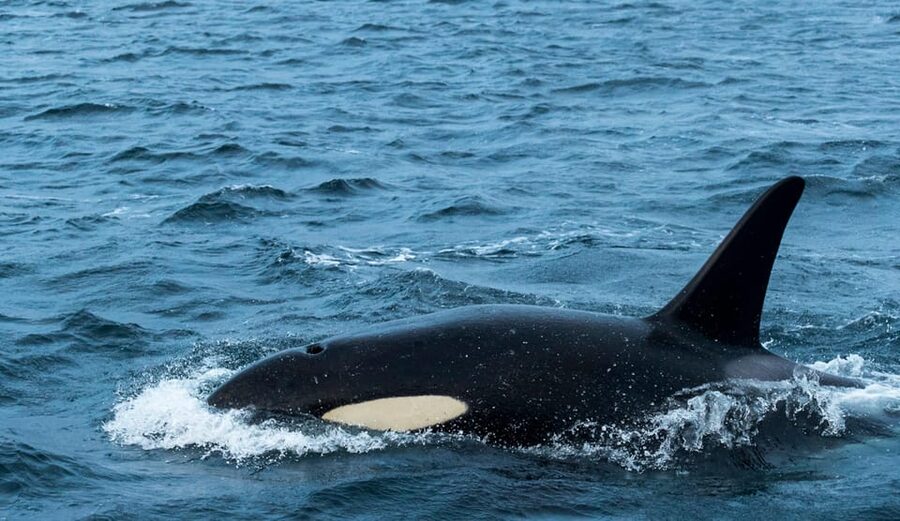
There’s nothing like speed under Arctic skies. This Whale Watching RIB Safari at Skjervøy is built for fast searching in prime whale feeding waters north and east of Tromsø, with the comfort gear to handle the cold. The goal is simple: find whales while the ocean is moving, and do it in a way that keeps you warm and the whales left alone.
I love the setup: flotation suit, life vest, warm boots, mittens, and goggles are included, which makes the whole experience feel much more doable in winter. I also love that the operation runs as a small group (limited to 12), so you’re not stuck watching from the back or shuffled around constantly.
One thing to consider: it’s a long day if you start in Tromsø, with a big early pickup and a lengthy bus transfer each way. And since the ride is fast and cold, if you’re prone to seasickness, you’ll want to think hard before booking.
In This Review
- Key things that make the Skjervøy RIB safari special
- Whale Watching RIB Safari at Skjervøy: what the day feels like
- Skjervøy vs. Tromsø pickup: choosing the start option
- Option 1: start from Tromsø (coach to Skjervøy)
- Option 2: start from Skjervøy (if you’re already there)
- The cold-weather gear that actually changes the experience
- What you should bring (and what matters)
- Before the RIB: meeting the guide and getting ready
- Hunting whales off Skjervøy: where the spotting game happens
- What whales you may see
- On the RIB safari: speed, safety, and real viewing time
- How the crew helps you see
- Timing and weather: why the boat time can vary
- After the boat: hot drinks, food, and your next move
- Price and value: is $251 worth it?
- Who this Skjervøy RIB safari fits best (and who should skip it)
- It’s a strong match if you:
- It may be a bad idea if you:
- Practical tips to make your day go smoother
- Should you book the Skjervøy RIB whale safari?
- FAQ
- Where does the tour start from if I’m staying in Tromsø?
- If I’m already in Skjervøy, do I need to take the bus?
- What’s included for staying warm on the water?
- How long is the RIB safari?
- Which whales are you likely to see?
- Is it a large group tour?
Key things that make the Skjervøy RIB safari special
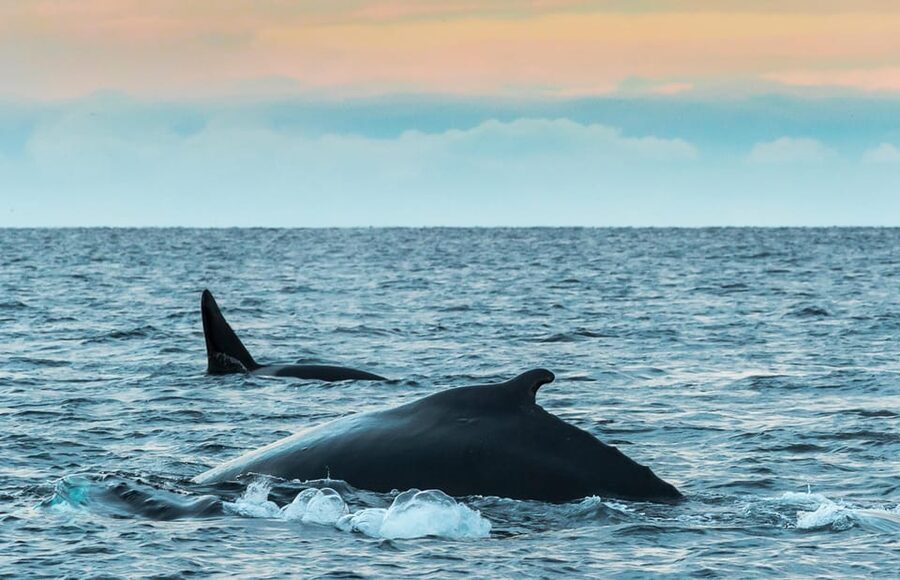
- Prime hunting grounds off Skjervøy: north and east of Tromsø, where whales feed during the herring season (late Oct to late Jan window listed)
- Warm Arctic gear is included: flotation suit, life vest, warm boots, mittens, goggles, plus extra comfort add-ons reported by guests
- Focused boat time: about 2.5–3 hours on the RIB (weather decides), with active searching
- Real-world whale encounters: orcas, humpbacks, and even fin whales are part of the target list
- Guides guide the hunt: crew and captains position you to see whales while keeping respectful distance
- Time to warm up and refuel after the safari, with hot drinks and food mentioned by multiple guests
Whale Watching RIB Safari at Skjervøy: what the day feels like
This tour is for people who want whales in the wild, not a slow, passive boat cruise. You get the thrill of a RIB ride—the kind that bounces across the water and makes every spotting feel immediate—then you have the gear to keep you from turning into a human popsicle.
The location matters. The sea areas off Skjervøy, north and east of Tromsø, are described as whales’ hunting grounds. In the peak season window listed—late October through 26 January 2025—the whales are migrating toward the coast in search of herring, which is exactly the sort of timing that can make whale sightings more likely.
The best part for me is the balance between excitement and comfort. You’re moving fast, yes, but you’re not out there dressed for a walk to the mailbox. The included flotation suit and life vest are there for a reason: winter whale watching is serious business.
More mornings out with the whales and orcas
Skjervøy vs. Tromsø pickup: choosing the start option
You can join in two different ways, depending on how you’re traveling that morning.
Option 1: start from Tromsø (coach to Skjervøy)
This is the most common route if you’re staying in Tromsø. You meet at the Tromsø Bus Terminal, Prostneset, with the key detail that it’s the ground floor behind the Magic Ice bar. You’ll also want to look for the big red bus tied to the Tromsø Safari service. The address given is Samuel Arnesens gate 5, 9008 Tromsø, Norge, and the pickup note says to meet by 5:20 AM latest.
You’re then taken about 3.5 hours toward Skjervøy, which means this is an early start plus a big transfer day. A guest also flagged that the bus stops can feel confusing on arrival—there may be multiple coaches at different numbered stands—so I’d treat the meeting point instructions seriously and confirm with the driver once you see the correct bus.
Option 2: start from Skjervøy (if you’re already there)
If you’re coming to Skjervøy on your own, you’ll still meet the guide there. The structure is the same once you’re dressed: you head to the outfitting area, then you get your 2.5–3 hours on the water when conditions allow.
Either way, the point is that the “work” of finding whales happens out by Skjervøy—not in Tromsø harbor—so the transfer (or your local arrival) is part of the value.
The cold-weather gear that actually changes the experience
In Arctic conditions, whale watching can be either fun or miserable. This tour is designed so it can be fun.
Included gear typically covers:
- Flotation suit
- Life vest
- Warm boots
- Mittens
- Goggles
And you’ll likely find small comfort upgrades during the day. Guests specifically mentioned receiving a second pair of socks, and one person noted the guide brought heated hand warmers because hands got cold. That tells you the crew is watching for comfort in real time, not just handing over gear and disappearing.
More Tromso trips we have been out on and rated


What you should bring (and what matters)
Bring warm clothing, a hat, food, and gloves. The included mittens help, but winter hands still win or lose the day based on how you layer.
One practical trick I’d copy from the experience notes: consider packing a thin glove layer you can wear under thicker gloves. It can help with fit and heat. And if you tend to get cold easily, a third sock pair is not overkill.
Before the RIB: meeting the guide and getting ready
Once you arrive in Skjervøy, you’ll meet the guide and then head to the spot where you dress up. This is more than a formality. Dressing correctly changes how you move on the boat and how quickly you start enjoying yourself.
The flow is:
1) meet the guide in Skjervøy
2) dress in the provided cold-weather gear
3) then go out for the RIB safari
The tour time on the boat is described as 2.5–3 hours depending on weather, so expect some day-to-day variation. That’s normal at sea, and it’s also why the included gear is so important—when weather shifts, comfort determines whether you still feel thrilled or just cold.
Hunting whales off Skjervøy: where the spotting game happens
This safari is aimed at specific sea areas. The waters off Skjervøy, and the area north and east of Tromsø, are treated as whales’ hunting grounds. During the season window noted—late October through 26 January—whales are migrating toward the coast to search for herring.
That matters because whales aren’t random decorations floating by. When food is in the area, activity tends to cluster: more blows, more surfacing, more movement you can actually spot while underway.
What whales you may see
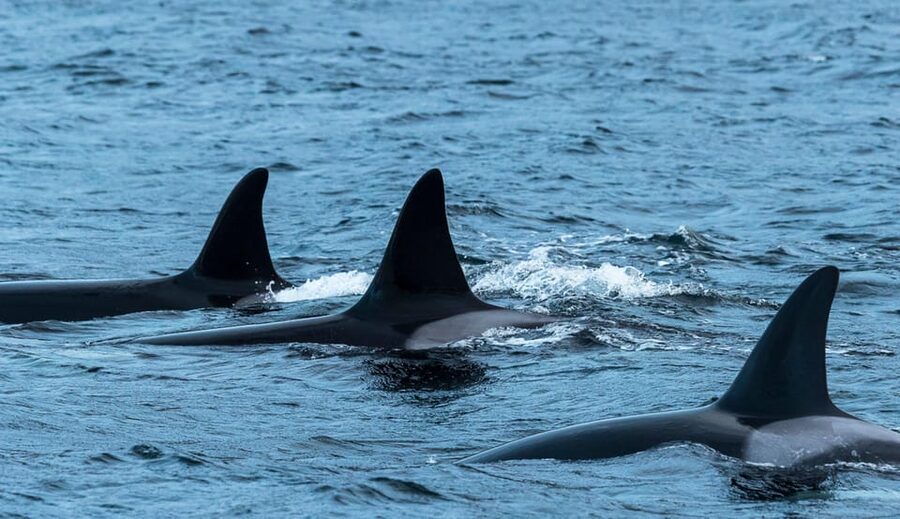
The tour highlights include chances to see:
- Orcas
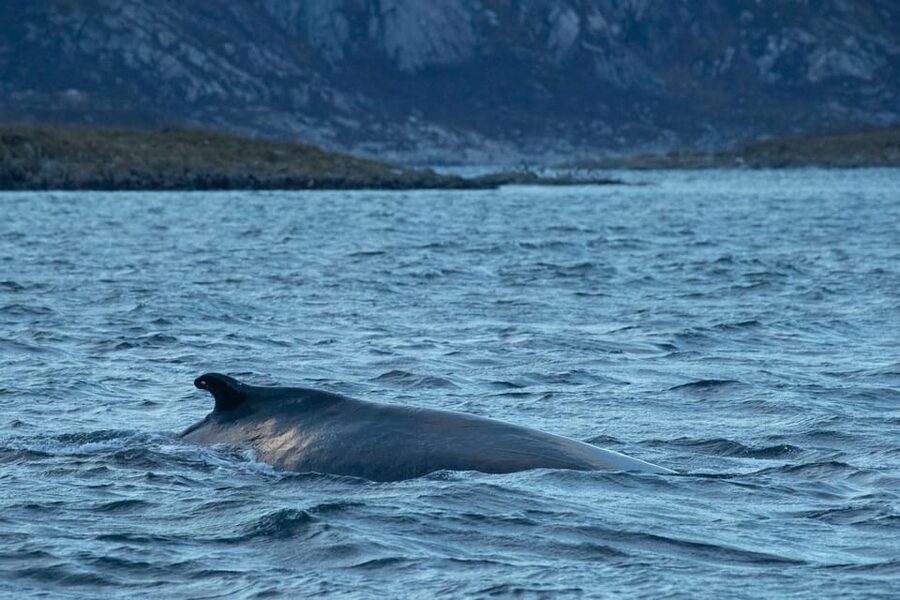
- Fin whales
- Humpback whales
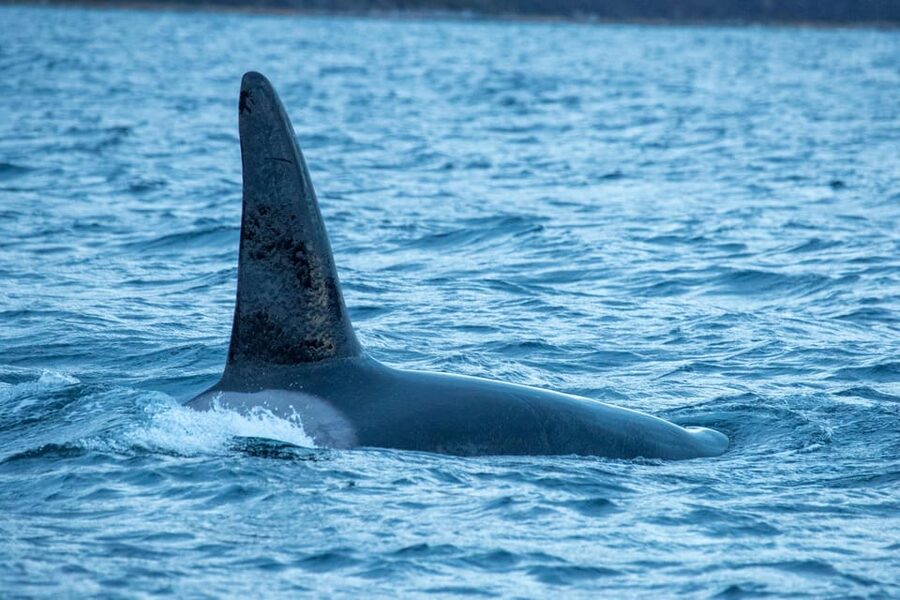
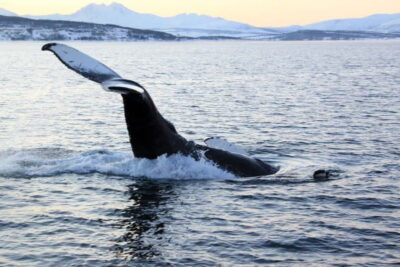
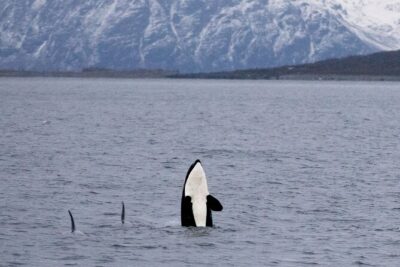
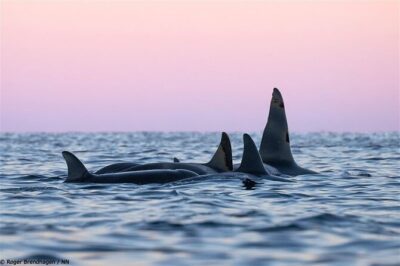
Guest reports add color to that list: one person saw a fin whale, others saw pods of orcas and humpbacks, and a few accounts included dramatic behavior like breaching and close social moments (like a baby orca mentioned during the hunt). Just remember: the ocean decides the final list, and weather and whale behavior can change what you get.
On the RIB safari: speed, safety, and real viewing time
A RIB ride sounds simple until you’re on it in winter. This is fast searching, not a slow glide. The payoff is that when whales show up, you have a real shot at seeing them from useful positions.
What I like here is the way the operation is described as respectful. Multiple accounts mention the captain and crew keeping a safe distance and not trying to chase whales. That’s huge for two reasons: it protects wildlife, and it also makes the whole experience feel more professional.
How the crew helps you see
You’re not just bundled up and sent out. Guides are actively involved—finding where whales are likely to be next and steering you to sightings. That’s part of why people mention getting lots of orca sightings and strong photo opportunities.
Also, because it’s a small group, you’re more likely to get better sightlines and less scrambling when the boat shifts position.
Timing and weather: why the boat time can vary
The tour notes say boat time depends on weather and runs about 2.5–3 hours. Another section lists the cruise time as around 3 hours, which lines up with that range.
For you, the practical takeaway is: don’t build your day around the exact number of hours. In winter, conditions can change quickly, and the crew needs the flexibility to keep the boat ride safe and comfortable.
If the day is clear, conditions can also be better for spotting. If it’s rough, you still go out—but you may not get the same amount of search time or the same kind of whale behavior.
After the boat: hot drinks, food, and your next move
You’ll come back from the safari with a much warmer outlook. Several guests mentioned that after the whale watching, the guide provided hot drinks and sandwiches before heading back by coach.
That small detail matters more than it sounds. After hours in a winter suit, hot food and drink can turn the end of the day from a shiver-fest into a recovery moment—especially before you jump back into the bus.
Price and value: is $251 worth it?
At $251 per person, this isn’t a budget activity. But the value isn’t only the whale chance—it’s what’s wrapped into the experience.
Here’s what you’re paying for, based on what’s included and what guests emphasized:
- Cold-weather gear included (the stuff that makes winter possible)
- Small group size (limited to 12)
- Transport from Tromsø when you select that option
- A guide-led hunt in prime waters rather than a generic cruise
- A realistic chance at multiple whale types: orcas, humpbacks, and fin whales
If whales are a top priority for your Arctic trip, the cost can feel easier to justify because this is one of the few formats that combines speed, warmth, and active guiding in the same package.
Who this Skjervøy RIB safari fits best (and who should skip it)
This experience is exciting, but not for everyone.
It’s a strong match if you:
- want a fast RIB adventure instead of a slow boat
- can handle cold and winter clothing
- want a small-group, guide-led hunt
- are okay with the day being long (especially with Tromsø pickup)
It may be a bad idea if you:
- are prone to seasickness
- are pregnant
- have back problems
- don’t meet the height/weight limits listed (under 150 cm, or over 125 kg)
- are traveling with children under 6 years
You also won’t be able to bring alcohol or drugs, and smoking isn’t allowed—so plan for a clean, straightforward day focused on nature.
Practical tips to make your day go smoother
These are the small things that can make or break your comfort and your photos.
- Dress like the weather will win: bring extra layers, a hat, and gloves you’re comfortable moving in.
- Consider thin gloves under mittens: guests suggested this improves comfort.
- Pack food: the tour notes say to bring food.
- Expect a warm bus sometimes: one guest flagged the return coach can be very warm, so layers help.
- Confirm you’re on the right bus if starting from Tromsø: the pickup setup is easy to misunderstand when multiple coaches are around. Double-check with the driver.
And if you’re hoping for the best sightings, timing within the season window matters, too. The herring-feeding migration period listed (late Oct to late Jan) is when the hunt is set up to align with whale movement.
Should you book the Skjervøy RIB whale safari?
I’d book this if your goal is a hands-on, guide-led winter whale search where comfort gear is included and the boat is built for action. The combination of warm suits, small group size, and the focus on prime waters off Skjervøy is exactly what you want when you’re spending big money and early mornings.
I would hesitate if you’re seasick-prone or you hate long transfers. Also, if you’re looking for a gentle, seated cruise with minimal motion, a RIB safari is the wrong format.
But if you can handle the cold and you’re ready for speed, this is a strong bet for unforgettable Arctic wildlife moments—especially during the herring season window when whales are actively moving along the coast.
FAQ
Where does the tour start from if I’m staying in Tromsø?
You can start from the Tromsø Bus Terminal at Prostneset (ground floor behind the Magic Ice bar). The meeting time note says to meet latest 5:20 AM, and the tour uses a big red bus that you should find and confirm with the driver.
If I’m already in Skjervøy, do I need to take the bus?
No. There’s an option for people coming to Skjervøy by yourself, where you’ll meet the guide in Skjervøy, dress up, and then go out on the RIB safari.
What’s included for staying warm on the water?
The tour includes flotation suit, life vest, warm boots, mittens, and goggles. You should also bring warm clothing, a hat, gloves, and food.
How long is the RIB safari?
It’s generally 2.5 to 3 hours on the water, depending on weather. The full duration listed for the experience can be 3 to 12 hours, depending on the starting option and timing.
Which whales are you likely to see?
The highlights include chances to see orcas, fin whales, and humpback whales. Final sightings depend on conditions and whale behavior.
Is it a large group tour?
No. It’s described as a small group, limited to 12 participants, with an English-speaking live tour guide.
More Safari in Tromso
More Tour Reviews in Tromso



More Whale & Orca Mornings

Just In: The Newest Tromso Reviews





Whale & Orca Safaris, compared.
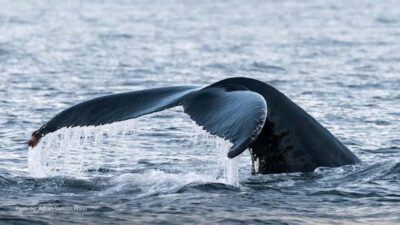 ★ 4.5Whale Watching Tour by Hybrid-Electric BoatFrom $1954,217 reviews
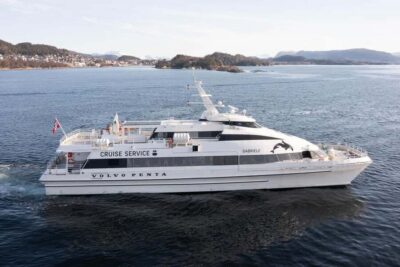 ★ 4.3Tromsø Whale Safari with MS GabrieleFrom $2071,937 reviews
 ★ 4.5From Tromsø: All-Inclusive Whale & Orca SafariFrom $1861,221 reviews
 ★ 4.5Silent Whale Watching by Hybrid-Electric Boat from TromsøFrom $2141,017 reviews
 ★ 4.3Tromsø Whale Safari with MS Keiser WilhelmFrom $194161 reviews
 ★ 5.024hr Northern Lights & Whale Watching CruiseFrom $1,214114 reviews
 ★ 4.8Orca and Whale Watching comfort heated boat TripFrom $373107 reviews
 ★ 4.5Whale Safari in TromsoFrom $18263 reviews
Browse the lists this tour appears in