
Reviewed · ARCTIC FJORD CRUISES
Tromsø: Orca and Whale Watching comfort heated boat Trip
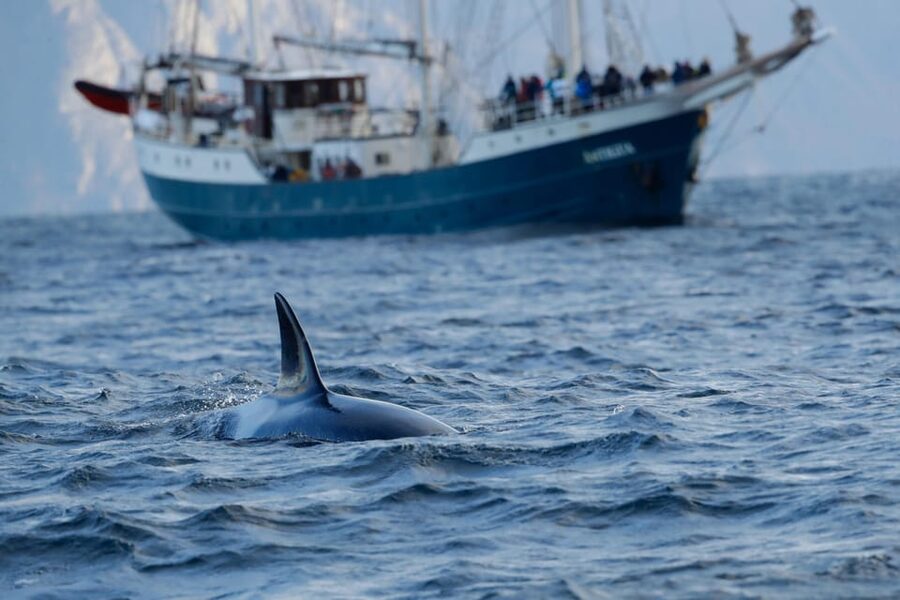
Orcas in the Arctic feel unreal. This day trip pairs comfort with serious wildlife-spotting and photo coaching out in the Barents Sea.
I really like the mix of a stable, covered heated boat and an outdoor terrace that makes it easier to keep your camera up and your hands warm. I also love that the guides focus on what’s happening—behavior, habitat, and where to aim—so you’re not just hoping for a miracle.
One thing to plan for: it’s a long day. You’re on a bus for about four hours each way, and the whale-watching time on the water is about three hours, so weather and seas will strongly shape how relaxed it feels.
In This Review
- Orca Safari in Comfort: The Skjervøy Angle That Makes It Worth the Day
- Key Things I’d Mark on Your Map Before You Go
- The 12-Hour Route From Tromsø to the Pier: What Those Transfers Really Mean
- Skjervøy Waters: Why This Search Focuses on Orcas and More
- The Heated Boat and Photo Terrace: Comfort That Improves Your Results
- The Whale-Watching Block: How the 3 Hours on Water Plays Out
- Photography Tips for Arctic Conditions: What to Do With Your Camera
- Small Group Size and Guide Support: Why It Feels Personal
- Price and Value: Is $373 Reasonable for This Arctic Setup?
- Who This Tour Suits Best (and Who Should Reconsider)
- Practical Packing Checklist (Based on What the Day Requires)
- Should You Book This Tromsø Orca and Whale Watching Trip?
- FAQ
- Where do I meet the tour in Tromsø?
- How long is the whole trip?
- How long do we spend whale watching in Skjervøy?
- What comfort features are included on the bus and boat?
- Do I need special suits for cold weather?
- What whales can be spotted on this safari?
- What languages are the guides speaking?
- Who should not book, and is cancellation possible?
Orca Safari in Comfort: The Skjervøy Angle That Makes It Worth the Day
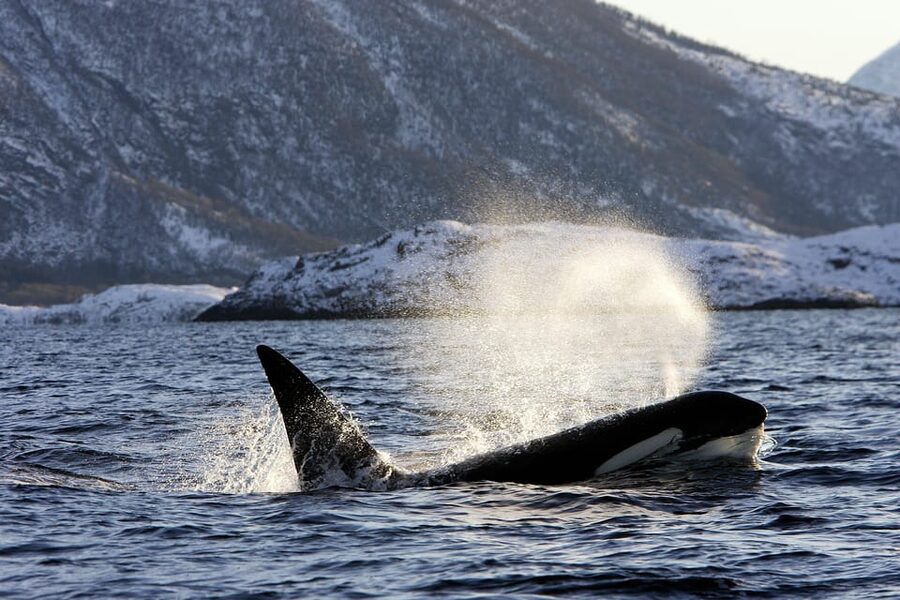
Skjervøy is the working seafront for wildlife watching in Northern Norway, and this trip is built around finding cetaceans without turning the day into an endurance test. You’re heading out into Arctic waters from Tromsø, with a nature guide and an experienced captain working the route while you focus on sightings and photos.
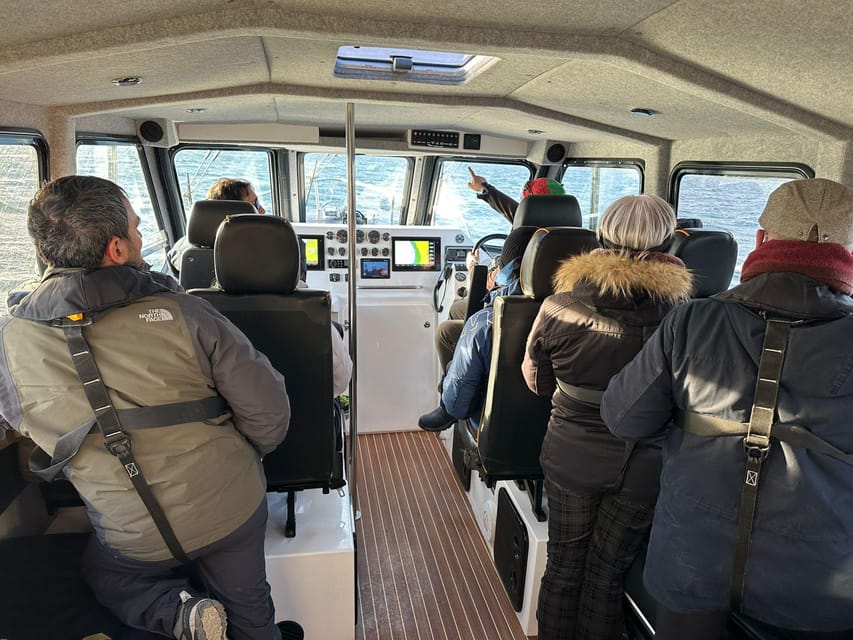
The “comfort first” setup matters more than it sounds. A heated, covered vessel means you can actually stay outside the cabin long enough to track action, and you don’t need to dress like you’re heading to an expedition base. That translates into better photos and a better mood—especially when conditions aren’t perfect.
I also appreciate that this is designed as a wildlife photography experience. You’ll get photography tips, you’ll have open viewing angles from the terrace, and the boat setup includes an underwater camera concept that gives you a rare chance to observe what’s going on below the surface when animals are close.
Key Things I’d Mark on Your Map Before You Go
- Heated, covered boat with a stable ride so you can focus on watching and shooting instead of bracing.
- Outdoor terrace for clear viewing—great for spotting blows, body angles, and movement direction.
- Small group up to 12 people which helps the guide spot activity and steer the search.
- Wildlife coaching focused on behavior and habitat so you understand what you’re seeing.
- Onboard photography support plus hot drinks to keep you going in cold Arctic conditions.
- Wi‑Fi bus transfer with onboard toilets that turns the long route into a manageable part of the day.
More slow hours out on the Tromso fjords

The 12-Hour Route From Tromsø to the Pier: What Those Transfers Really Mean
This is not a quick “sprint to the water” trip. You start in Tromsø at Samuel Arnesens gate 5 (bus platforms at Bus Terminal Prostneset). The bus is the RED bus (Arctic Route), and the light banner shows Whale Route Skjervøy.
From there, the day runs on a simple rhythm: travel, whale search, then travel back. You spend about 4 hours transferring through Northern Norway, then you arrive in Skjervøy for about 3 hours on the water, and finally you do the return transfer again for about 4 hours.
That timing matters. The whale-watching window is the heart of the experience, so you’ll want to treat the bus ride as prep time—not as a nap replacement. Use it to get organized: charge batteries, review camera settings, and make a quick plan for what you’ll shoot if you get orcas near the boat.
When you reach Skjervøy, the Arctic route bus makes two stops. You’ll want to get off at the second stop near Maritim Hotel and Skjervøy Kystrutekai, then walk to the Skua Hub departure point at the pier.
On a practical level, that means fewer surprises once you’re there. The transfer is handled, and you just follow the route to the departure pier.
Skjervøy Waters: Why This Search Focuses on Orcas and More
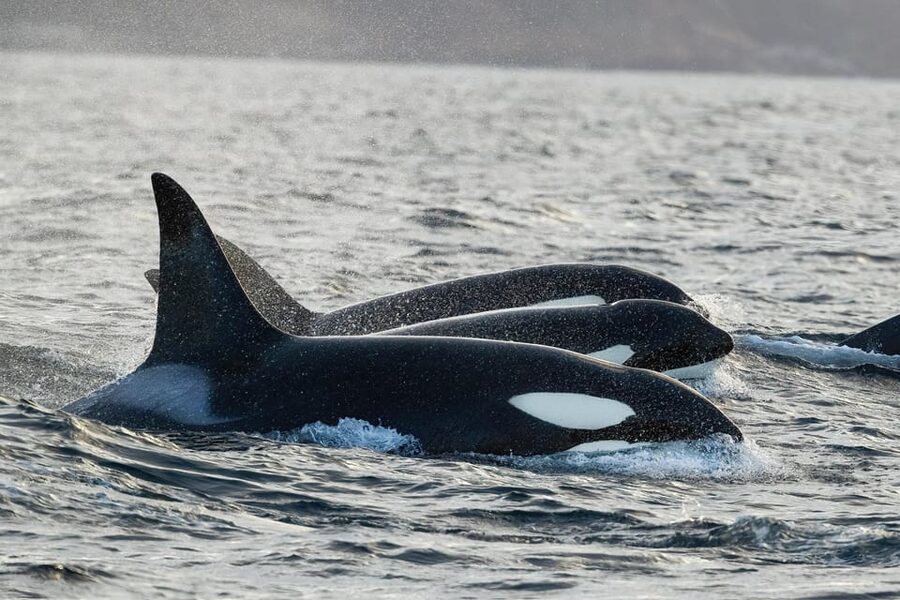
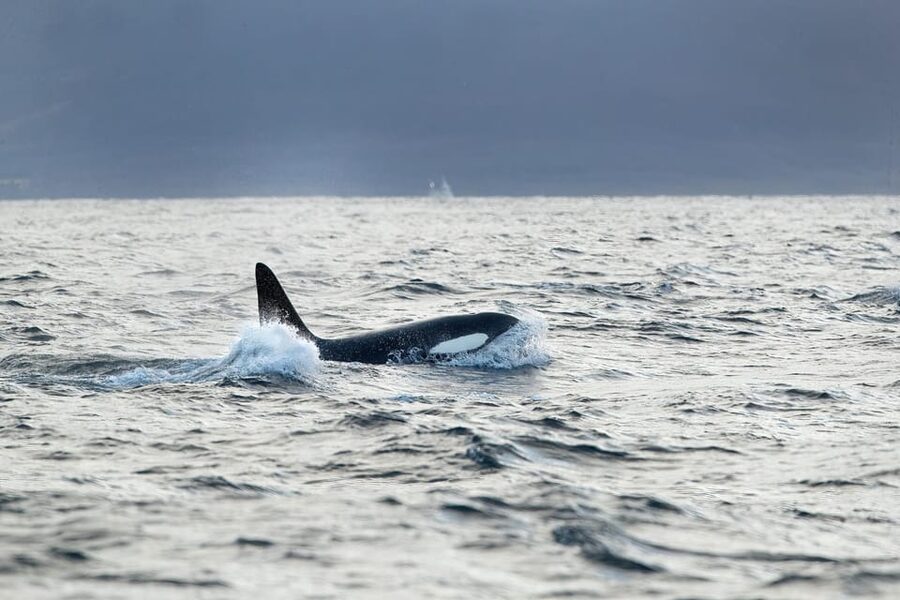
This trip is specifically about watching orcas and other whales in their natural habitat. In the Barents Sea area, you’re looking for a mix of cetaceans, and the itinerary is built around a boat safari mentality—searching, adjusting, and getting in the right place when animals show themselves.
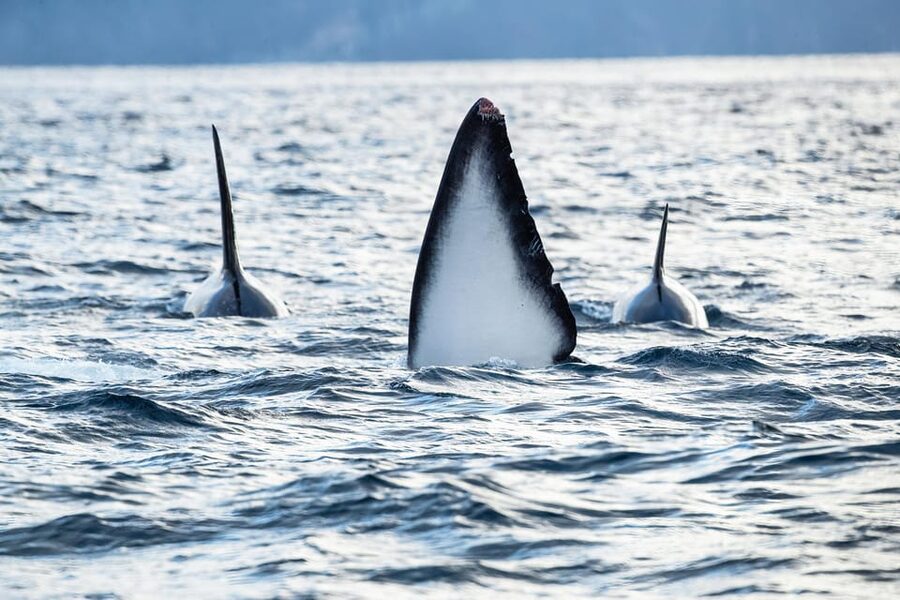
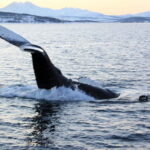
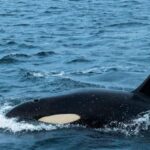
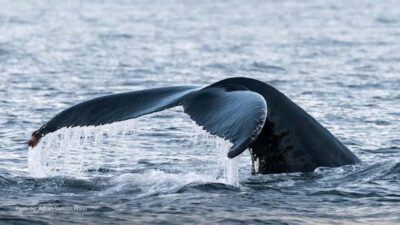
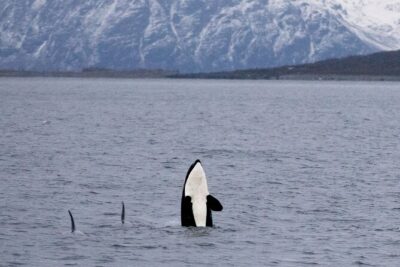
You can be on the lookout for orcas, humpback whales, and additional options like minke whales and fin whales. The guiding philosophy is important here: you’re not just staring at the horizon and guessing. Your captain and environmental tour guide are actively guiding the hunt based on what they see and what the animals are doing.
I like that the guide approach is behavior-first. You’re told what whales do, why they do it, and how that connects to feeding and movement. That turns sightings from random luck into something you can actually read as it happens.
It also helps for photography. When you understand the pattern—direction of travel, surface intervals, and typical angles—you can move your lens with purpose rather than chasing every random spout.
The Heated Boat and Photo Terrace: Comfort That Improves Your Results
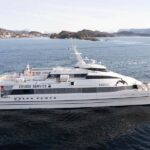
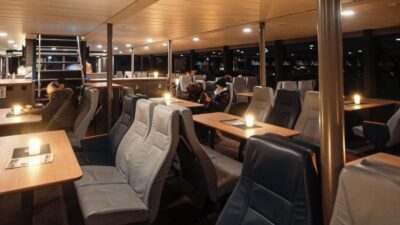
This boat is the standout for comfort and stability. It’s covered and heated, and it’s described as far more stable than traditional RIB-style boats. That stability has two big payoffs for you: less jostling while you track motion, and less mental fatigue so you can keep watching instead of surviving the ride.
The deck setup is built for wildlife watching. There’s a spacious outdoor terrace designed for unobstructed views. Even when you’re not shooting, that matters because you can keep your attention on body movement and fin tracking rather than being stuck behind a small window.
You also have a heated cabin to warm up when the Arctic gets sharp. And yes, there’s a toilet onboard on the boat, which is genuinely worth mentioning. On long wildlife days, that’s one of those details that keeps the trip feeling civilized.
Hot drinks are included too. That’s not just a nice extra—it’s a way to keep you comfortable enough to stay outside and keep shooting when the action starts.
One of the most interesting tech touches is the mention of underwater cameras onboard. You’re not just looking at surface behavior; you get the chance to observe marine life below the waves and even see underwater footage when opportunities show up.
And for those worried about gear: you’re specifically told that with the covered boat, you don’t need bulky special suits. The boat does the heavy lifting so you can show up with your normal cold-weather layers and your camera setup.
The Whale-Watching Block: How the 3 Hours on Water Plays Out
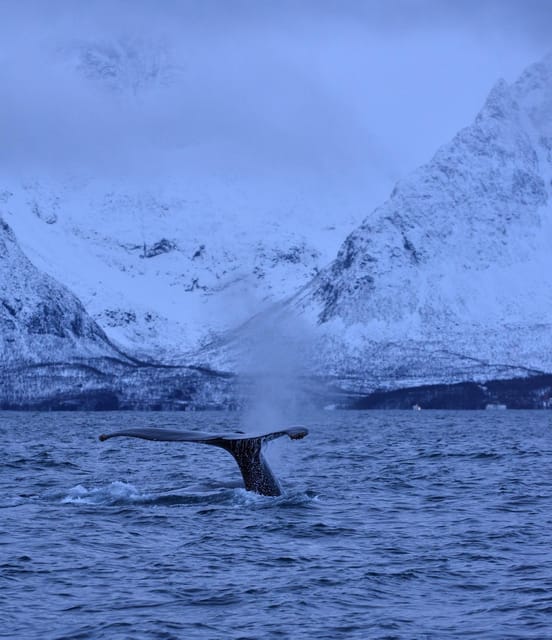
Once you’re out of Skjervøy and cruising, you’ll spend about 3 hours searching for whales. This isn’t a “sit in one spot forever” style. The boat safari feel is part of what you’re paying for: the captain and guide are working to find the best opportunities.
The guide also supports photography in real time. The goal is to help you take better shots by suggesting likely directions, explaining what to watch for, and guiding where to aim as animals move around the boat.
In the feedback people share about this experience, there’s a recurring theme: the guide and captain are attentive, professional, and quick to adjust when whales appear near or farther off. Names like Philip show up in descriptions of friendly, knowledgeable guidance, and Captain Jacob appears as a captain praised for passion and skill.
Even if you don’t know those names ahead of time, the important takeaway for you is the same: the team is focused on both spotting and positioning, so you spend your limited time on the water making the most of what shows up.
More mornings out with the whales and orcas
Photography Tips for Arctic Conditions: What to Do With Your Camera
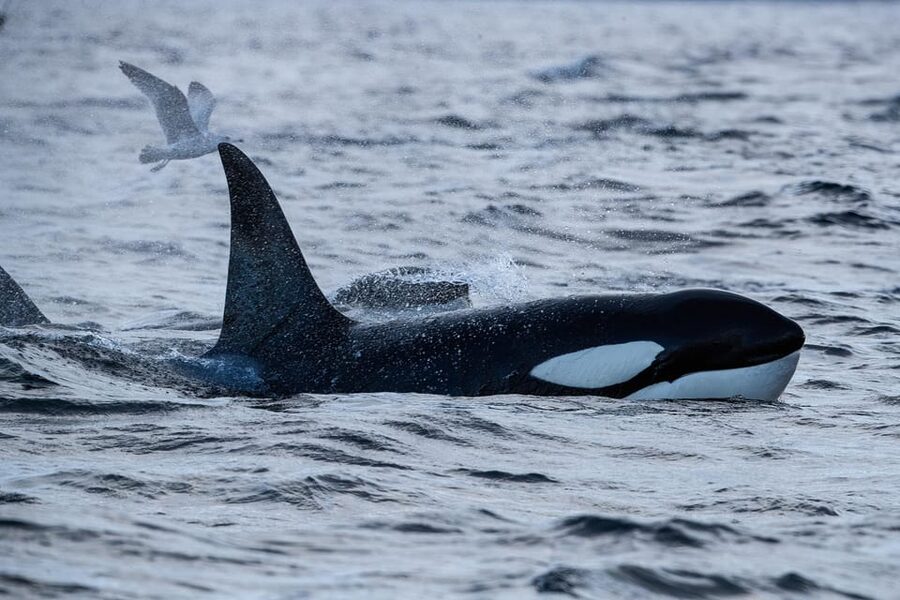
This experience is aimed at wildlife photography, and that shows in the small but practical instruction style. You’re advised to bring a camera and extra batteries for photography.
That’s a smart checklist item. In cold conditions, batteries don’t last forever, and swapping batteries mid-search can mean missing the best moments.
The photography support doesn’t stop at “press the button.” You get tips and insights from the guide to help you capture strong images. Combined with the heated cabin and open-air terrace, that means you can actually stay ready: warm up when needed, then step outside and shoot when whales are visible.
The camera setup is also improved by the boat design. A stable, covered vessel helps with tracking and reduces the “why is my frame shaking” problem you can get in choppier boats. Unobstructed views from the terrace also help you compose quickly when you spot a spout or a body break near the surface.
If you want something a bit different from standard whale photos, the underwater camera feature adds variety. It’s not the same as having a go-pro at sea level, but it’s still a way to see action below the surface—something most whale days can’t offer.
Small Group Size and Guide Support: Why It Feels Personal
You’re in a small group, limited to 12 participants. That matters more than you might think when the goal is both wildlife spotting and photography guidance.
With a smaller group, the guide can watch how people are positioned, help more directly with camera direction, and coordinate movement when animals appear. It also makes the search feel less hectic and more like a shared task.
You’ll have a live tour guide speaking English and Italian. That bilingual support is helpful if you want clear guidance even when the action moves fast.
And based on the way the team’s expertise is described, the guidance style feels practical: explanation of what you’re seeing, plus suggestions that help you get the shot while the whale is in range.
Price and Value: Is $373 Reasonable for This Arctic Setup?
At $373 per person, this is not a budget whale-watching outing. You’re paying for a full-day operation: long round-trip bus transfer, a specialized wildlife-focused boat safari, guide expertise, and comfort features that reduce gear stress.
Here’s what you actually get for that price:
- Scenic bus drive through Northern Norway with Wi‑Fi and toilets onboard
- Transport in air-conditioned bus with charging points
- Covered and heated boat experience with onboard toilet
- Wildlife safari with an expert captain and an environmental tour guide
- Photography tips and insights, plus hot drinks
- Opportunities to see multiple whale types, including orcas and humpbacks
So the value isn’t just “you see whales.” It’s the combination of (1) comfort that helps you stay outside and ready, (2) guidance that helps you interpret behavior, and (3) a small-group setup that keeps the experience usable for photographers.
If your priority is maximum animal time with minimum travel, you might compare options. But if your priority is a comfortable, photo-friendly day where the team actively helps you shoot, the price starts to make sense.
Who This Tour Suits Best (and Who Should Reconsider)
This trip is a good fit if you want an Arctic wildlife day that doesn’t punish you for dress and stamina. You’ll especially like it if you’re:
- A wildlife enthusiast who wants more than surface-level spotting
- A photographer who wants guidance on how to frame and react
- Someone who values a heated cabin and onboard toilets over “roughing it”
It’s not for everyone. The activity is not suitable for children under 6 years and not suitable for pregnant women. If that affects you, you’ll want to choose a different style of trip that meets your needs.
Also, note the English and Italian guide support. If you don’t speak either, you could still enjoy the visual side, but you’d lose some of the interpretive value.
Practical Packing Checklist (Based on What the Day Requires)
You don’t need special whale-watching suits on this boat. Still, I’d pack like you’re going out to hunt for fast action in cold air.
Bring:
- Your camera
- Extra batteries for photography
- Any small camera accessories you rely on (straps, memory cards, lens cloth)
And mentally prep for a long day. You’ll be on the move from Tromsø to Skjervøy and back, so plan your charging and battery swaps early.
The boat includes hot drinks, and the buses have Wi‑Fi and charging points. That helps you stay powered up without scrambling.
Should You Book This Tromsø Orca and Whale Watching Trip?
Book it if you want a whale safari that’s built for comfort and photography at the same time. The heated, covered boat with a terrace means you can stay in the action zone, and the guide focus on behavior plus photography tips gives you a better shot at meaningful sightings.
Skip it (or think hard) if you’re easily worn out by long travel days. The 12-hour schedule includes long transfers, and the three hours on the water are the main event.
If you’re traveling for a special Arctic moment—an orca-focused day with a stable boat and real guidance—this is the kind of trip that fits the bill.
If you want to maximize your odds, check availability for your preferred starting time, and plan to arrive at the meeting point early so you can start the day calm, not rushed.
FAQ
Where do I meet the tour in Tromsø?
You meet at Samuel Arnesens gate 5 at the Bus Terminal Prostneset. The RED bus (Arctic Route) is leaving from the bus platforms there.
How long is the whole trip?
The total duration is listed as 12 hours.
How long do we spend whale watching in Skjervøy?
Once you arrive, the whale-watching portion in Skjervøy is about 3 hours on the water.
What comfort features are included on the bus and boat?
The bus includes Wi‑Fi, charging points, and a toilet onboard. The boat is covered and heated and also has a toilet onboard.
Do I need special suits for cold weather?
No. With the covered heated boat, you don’t need to wear special suits.
What whales can be spotted on this safari?
The experience specifically mentions opportunities to see orcas, humpback whales, minke whales, and fin whales.
What languages are the guides speaking?
The live tour guide is listed as English and Italian.
Who should not book, and is cancellation possible?
It’s not suitable for children under 6 and not suitable for pregnant women. You can cancel up to 24 hours in advance for a full refund.
More Tour Reviews in Tromso


More Whale & Orca Mornings
More Cruises on the Tromso Fjords

Just In: The Newest Tromso Reviews


Arctic Fjord Cruises, compared.
 ★ 4.5Whale Watching Tour by Hybrid-Electric BoatFrom $1954,217 reviews
 ★ 4.5Arctic Fjord Cruise With Stop On Land At Fish RacksFrom $1252,268 reviews
 ★ 4.4Evening Aurora Cruise (dinner optional)From $1001,570 reviews
 ★ 4.7Arctic Fjord Cruise in Polar LandscapesFrom $1201,442 reviews
 ★ 4.3Northern Lights Cruise with 2nd Chance GuaranteeFrom $1141,280 reviews
 ★ 4.5Silent Whale Watching by Hybrid-Electric Boat from TromsøFrom $2141,017 reviews
 ★ 4.8From Tromsø: Arctic Roadtrip: fjords tour with scenic picnicFrom $123973 reviews
 ★ 4.6Arctic Landscape and Fjord Tour with SnacksFrom $132804 reviews
Browse the lists this tour appears in